 3
3

 FPSR — SLTC
The strategic vision for postgraduation education and research at SLTC is to bring the academia together to build an ecosystem of innovation and discovery.
The Faculty of Postgraduate Studies & Research (FPSR) is the strategic visionary for the advancement of postgraduate education & research at the Sri Lanka Technology Campus. FPSR brings together academia and industry to create an ecosystem of innovation and discovery.
FPSR is primarily responsible for the institute's postgraduate education and research & development. The Board of Studies administers postgraduate education, and the Research Cell administers research activities. FPSR also works closely with the Office for Research and Innovation Services (ORIS) and the Office of Sponsored Research (OSR) & Technology Transfer Office (TTO) to advance research initiatives across the campus.
SLTC's flagship conferences.
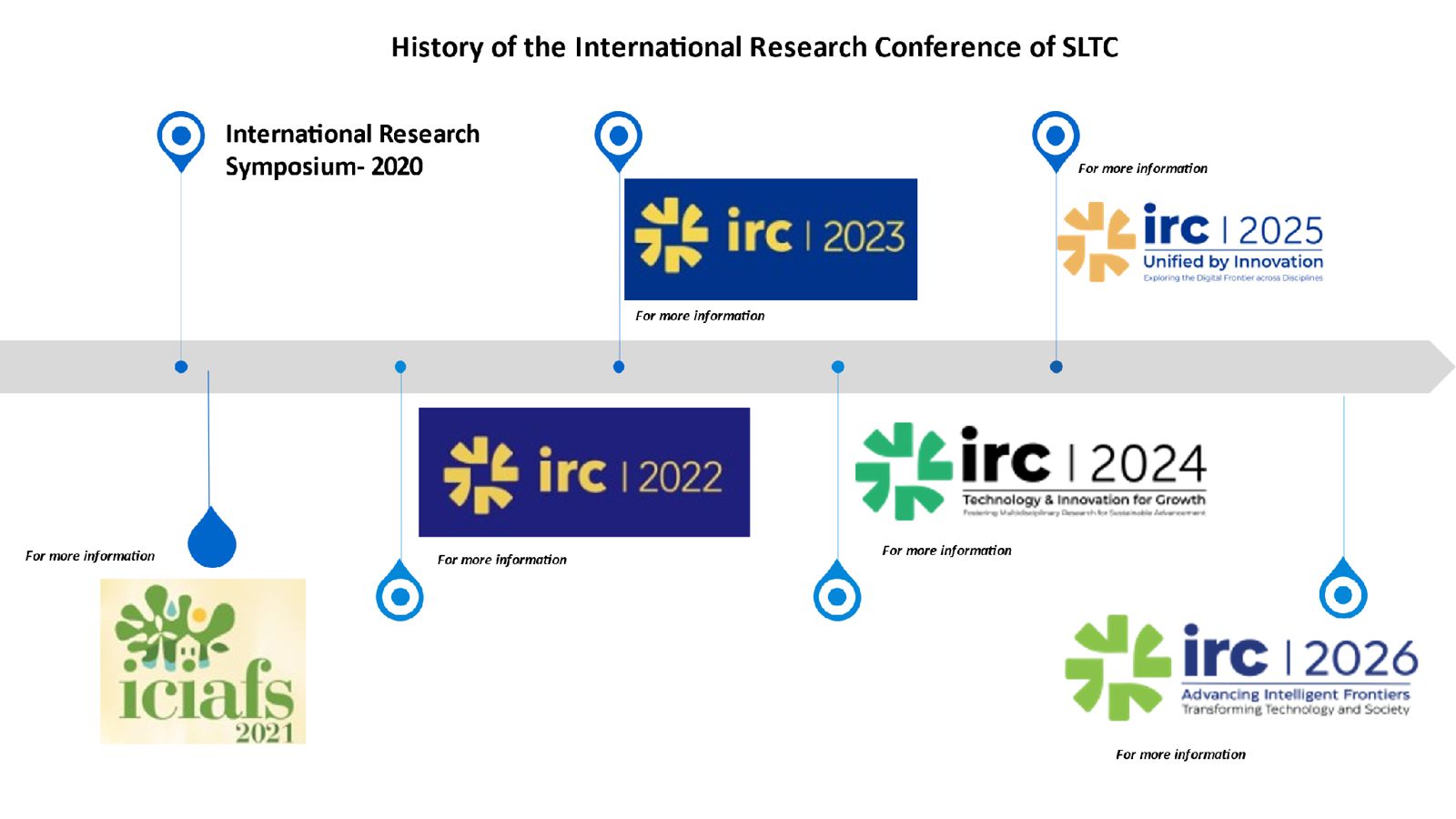
From a virtual symposium in 2020 to a multi-campus, IEEE co-sponsored flagship event, the International Research Conference of SLTC has grown year on year into the university's premier platform for research, innovation, and academia–industry collaboration.
SLTC held its International Research Symposium virtually on 17 June 2020, organized jointly by the School of Postgraduate Studies and Research (SPSR) and the Office of Research and Innovation Services (ORIS). The symposium set out to showcase the university's research outcomes while deepening national and international collaborations.
Four keynote speakers anchored the programme: Prof. Cooray of the International University of Japan, Prof. Kelum of the University of Glasgow, Prof. Rui of Universidade Nova de Lisboa, and Prof. Elisabetta Comini from Italy. Around these addresses, 37 research presentations unfolded across five technical sessions spanning a wide range of disciplines, and the day closed with a panel discussion on "Innovative Education." Roughly 700 participants from Sri Lanka and abroad took part, making the symposium a meaningful venue for knowledge exchange despite its virtual format.
Established in 2005, ICIAfS is a biennial conference that has become a fixture in Sri Lanka's research calendar. Its 2021 edition carried the theme "Sustainable Development through Effective Man-Machine Co-existence," drawing researchers, academics, and industry experts to explore advances in automation, information and communication technologies, and sustainability.
SLTC's Centre for Telecommunication Research (CTR) hosted the conference, handling infrastructure, coordination, and administrative support. The event carried significant technical weight through co-sponsorship by IEEE, IEEE Region 10, IEEE Sri Lanka Section, IEEE Chinese Section, and several affiliated IEEE societies, and it holds the distinction of being the first international conference sponsored jointly by IEEE Sri Lanka Section and IEEE Region 10. Beyond its immediate outcomes, ICIAfS 2021 reinforced SLTC's standing in telecommunications, automation and sustainability research on the international stage.
IRC 2022 took place on 29–30 September 2022 in hybrid format at SLTC's Main Campus in Padukka, organized around the theme "Technological Advancements for Sustainability." The conference gave researchers, academics, industry professionals, and students a shared platform to present work addressing sustainability challenges.
Thirteen technical tracks structured the programme, covering engineering, information and communication technology, artificial intelligence, robotics, biomedical engineering, agriculture, environment, business, and social sciences. Keynote addresses came from Prof. Rostislav Yavorski of Exactpro Systems Limited, Prof. Ben Basnayake of the University of Peradeniya, Prof. Yonghui Li of the University of Sydney, Prof. Rangika Halwatura of the University of Moratuwa, and Prof. Lahiru Jayakody of Southern Illinois University.
The conference brought together SLTC's own research community with participants from more than 25 Sri Lankan institutions and over 20 international universities and research organizations, extending its reach as a hub for collaboration and knowledge exchange.
Held in Colombo on 14–15 December, IRC 2023 carried forward the momentum under the theme "Advancing Research and Innovation for Sustainable Futures." Organized by Sri Lanka Technology Campus, the conference again united academics, researchers, industry professionals, and students around shared research and innovation goals.
The programme touched on civil engineering and the built environment, electrical and systems engineering, information and communication technology, artificial intelligence and robotics, mathematics and statistics, business management, social sciences, sustainable agriculture, environment, and food security. Four keynote sessions gave the conference its intellectual centre: Prof. Rangika Halwathura of the University of Moratuwa spoke on invention, innovation, and sustainability; Prof. Meththika Vithanage of the University of Sri Jayewardenepura addressed biochar technology for a resilient future; Dr. Karl Jones of Liverpool John Moores University discussed modern applications of digital and video forensics; and Prof. Aruna Ranaweera, also of the University of Sri Jayewardenepura, examined technology, complexity, and the natural balance.
Participation from SLTC, more than 25 Sri Lankan universities, and over 15 international universities underscored the conference's growing role in strengthening research ties and raising SLTC's profile.
IRC 2024 unfolded across two venues, SLTC's Main Campus in Padukka and Trace Campus in Colombo, on 6–7 November, under the theme "Technology and Innovation for Growth: Fostering Multidisciplinary Research for Sustainable Advancement." The dual-campus format reflected the conference's ambition to widen access for academics, researchers, industry professionals, and students seeking to share research and build interdisciplinary partnerships.
Ten multidisciplinary technical tracks framed the discussions, covering engineering, information and communication technology, artificial intelligence and robotics, business management, sustainable agriculture, social sciences, and education, alongside keynote sessions, an industry dialogue, poster presentations, and technical sessions. Dr. Ravi Fernando of Global Strategic Corporate Sustainability Pvt. Ltd., Prof. Kenichi Matsushima of Shinshu University in Japan, and Prof. Gehan Amaratunga of the University of Cambridge delivered the keynote addresses.
The scale of participation told its own story: over 100 full papers and extended abstracts, 30 poster presentations, and contributions from researchers at more than 25 universities. IRC 2024 cemented academia-industry engagement and reaffirmed SLTC's position as a research-driven institution.
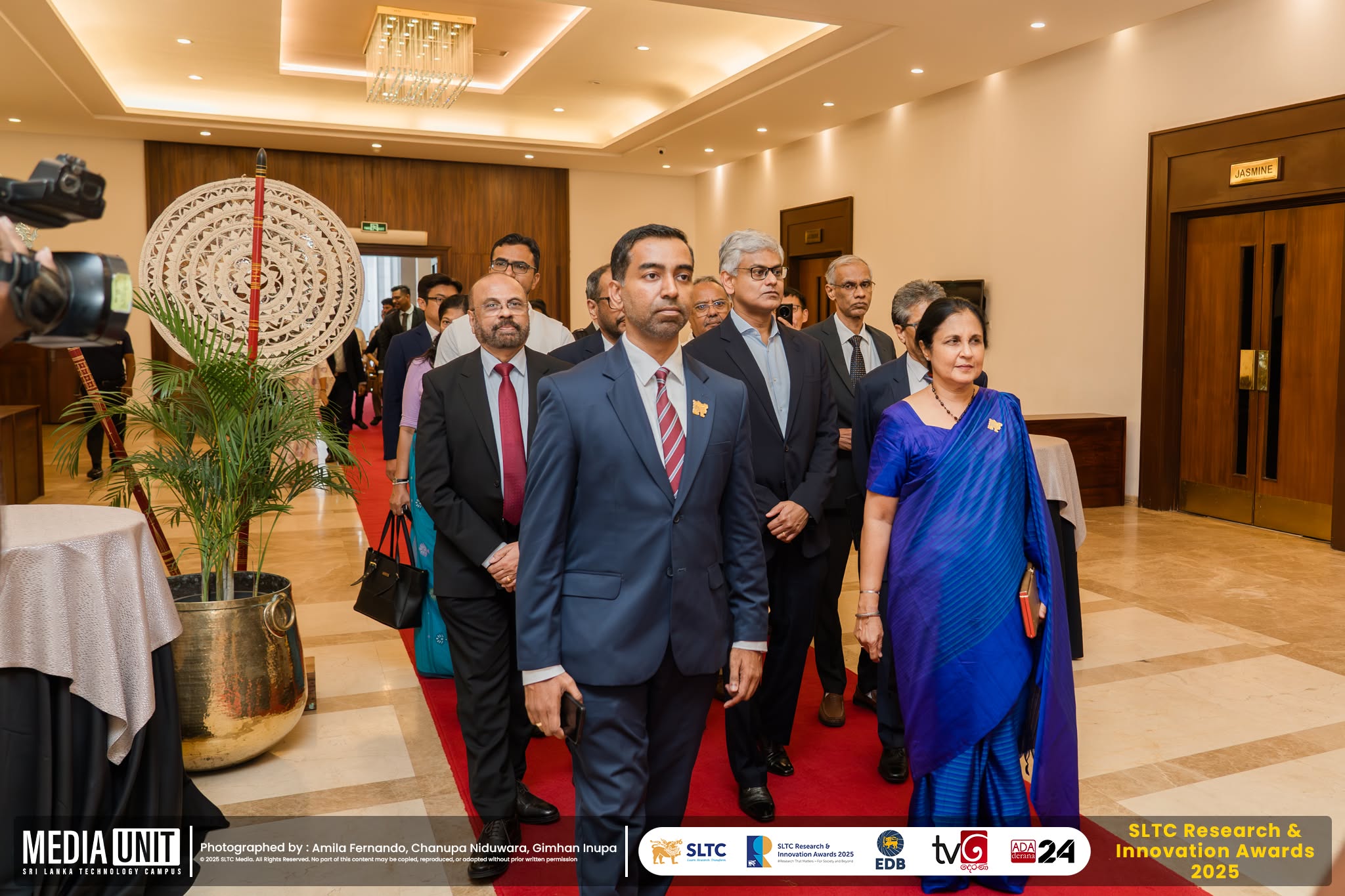
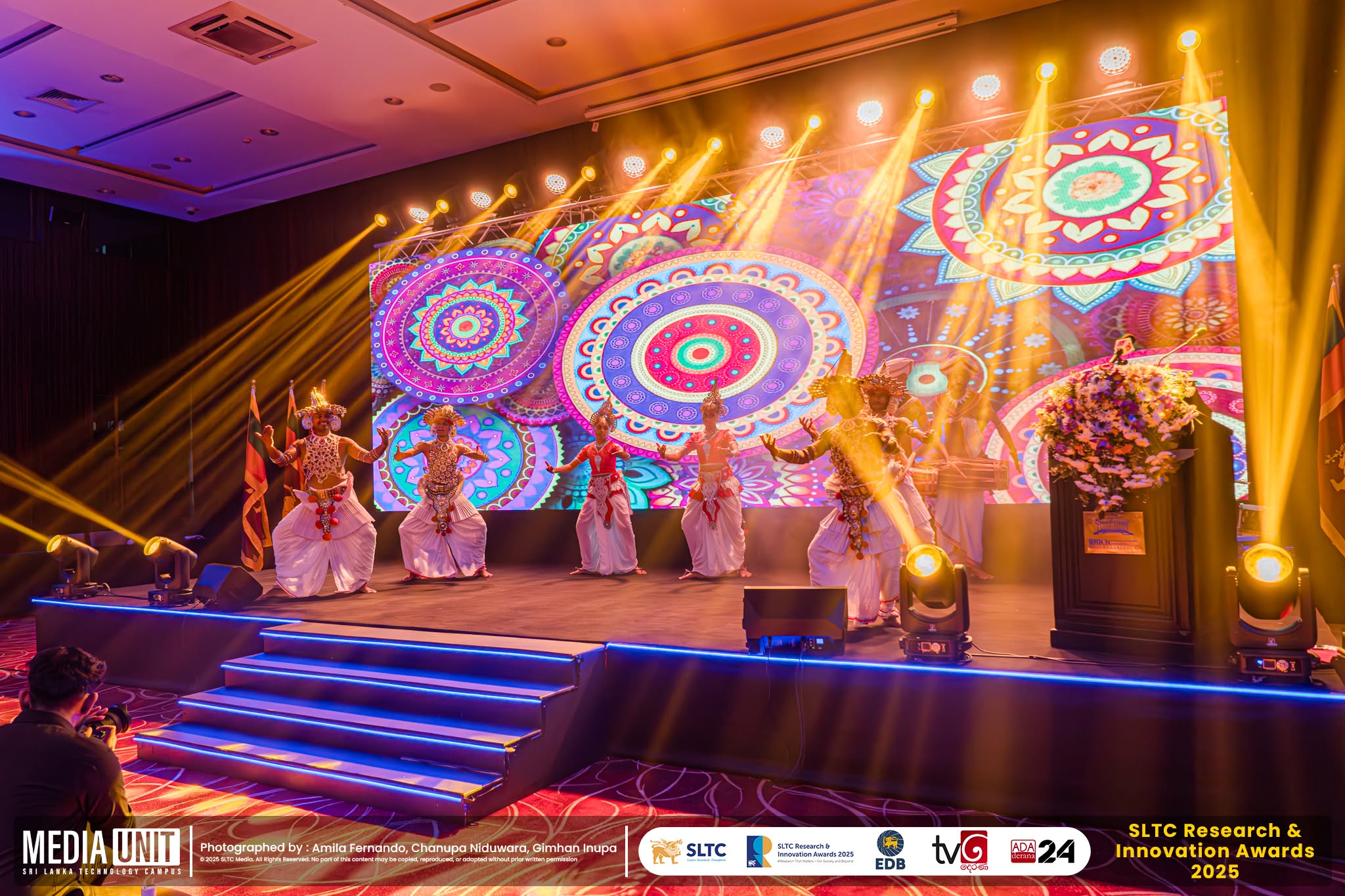
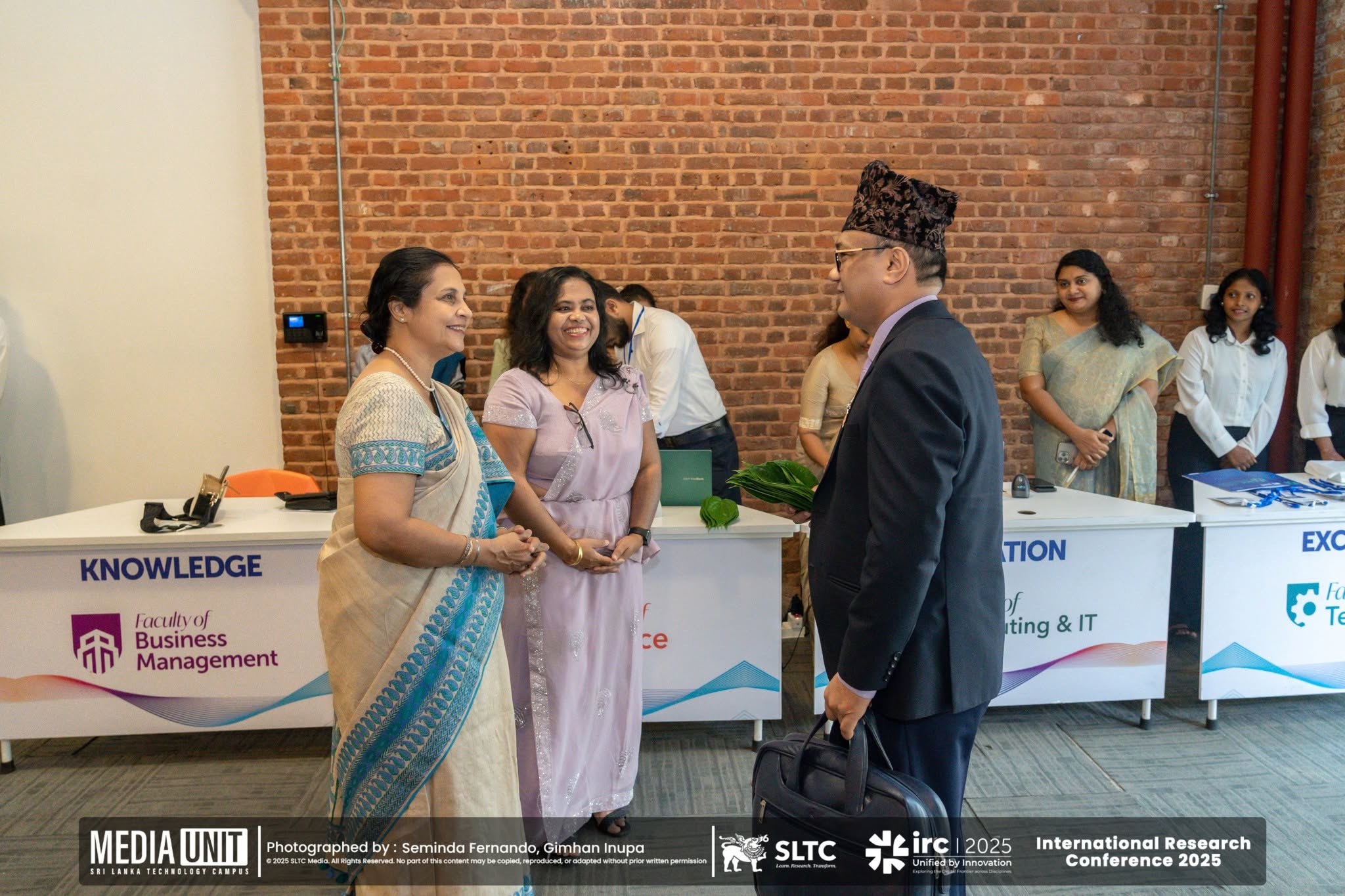
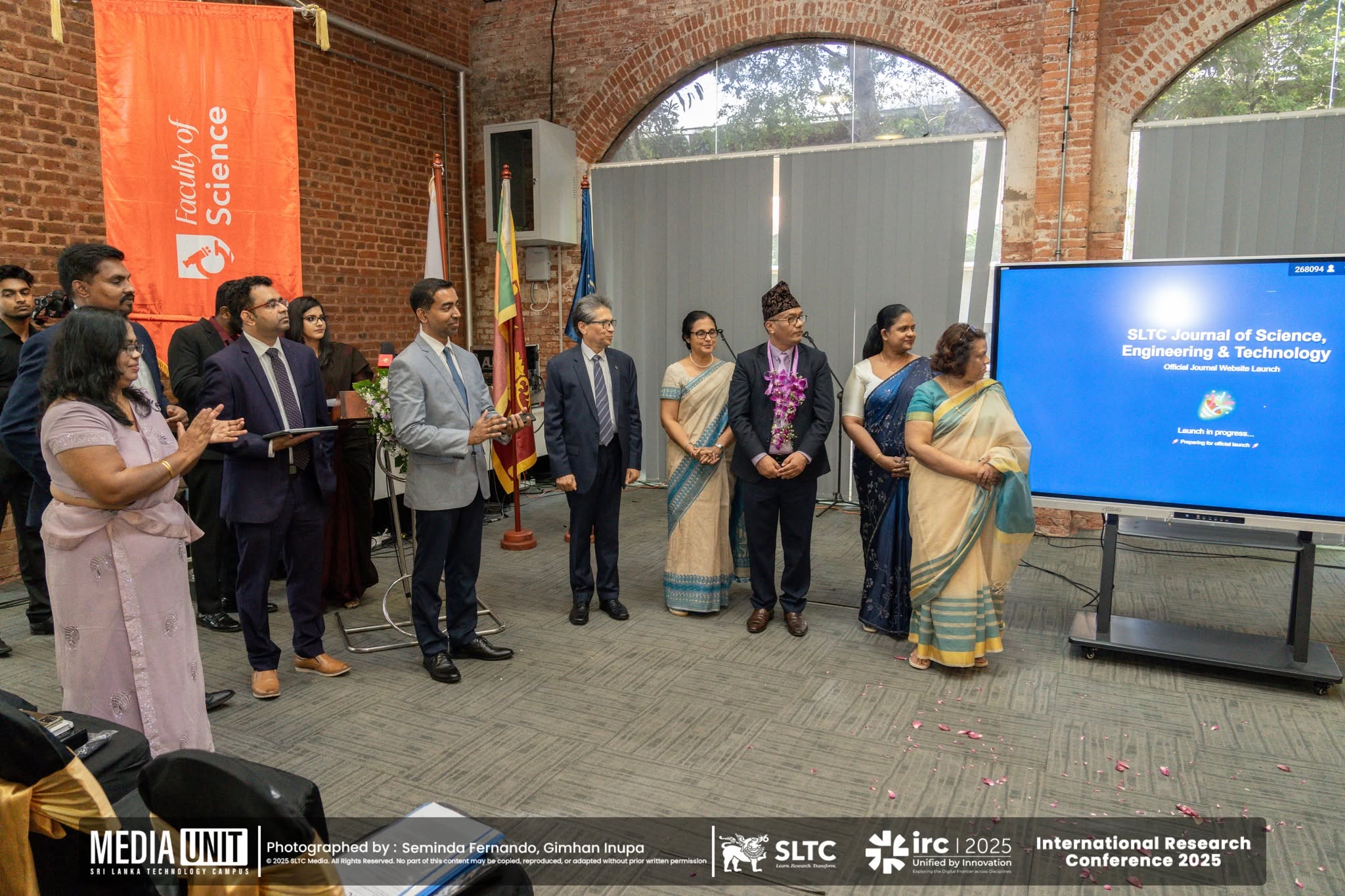
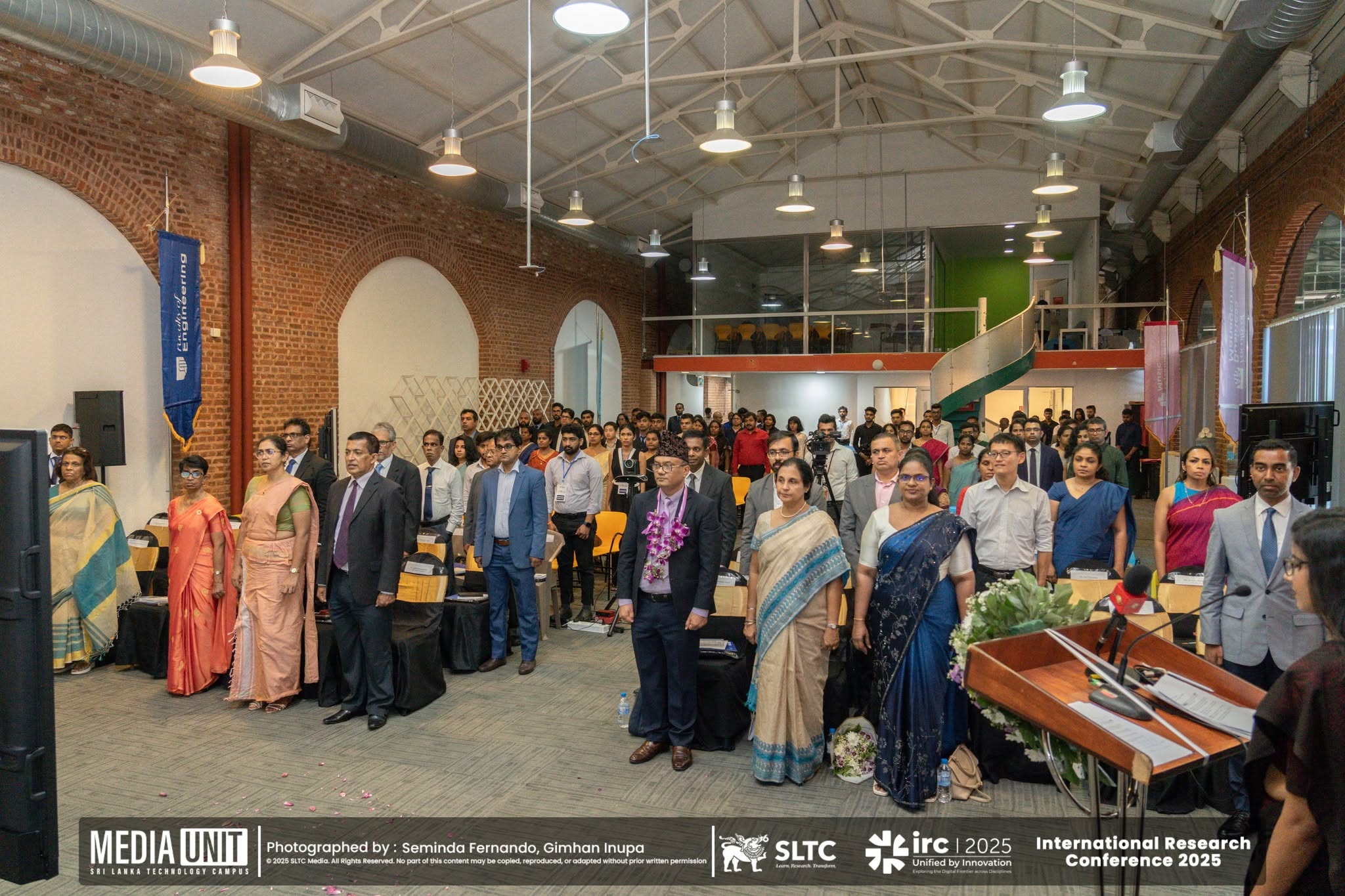
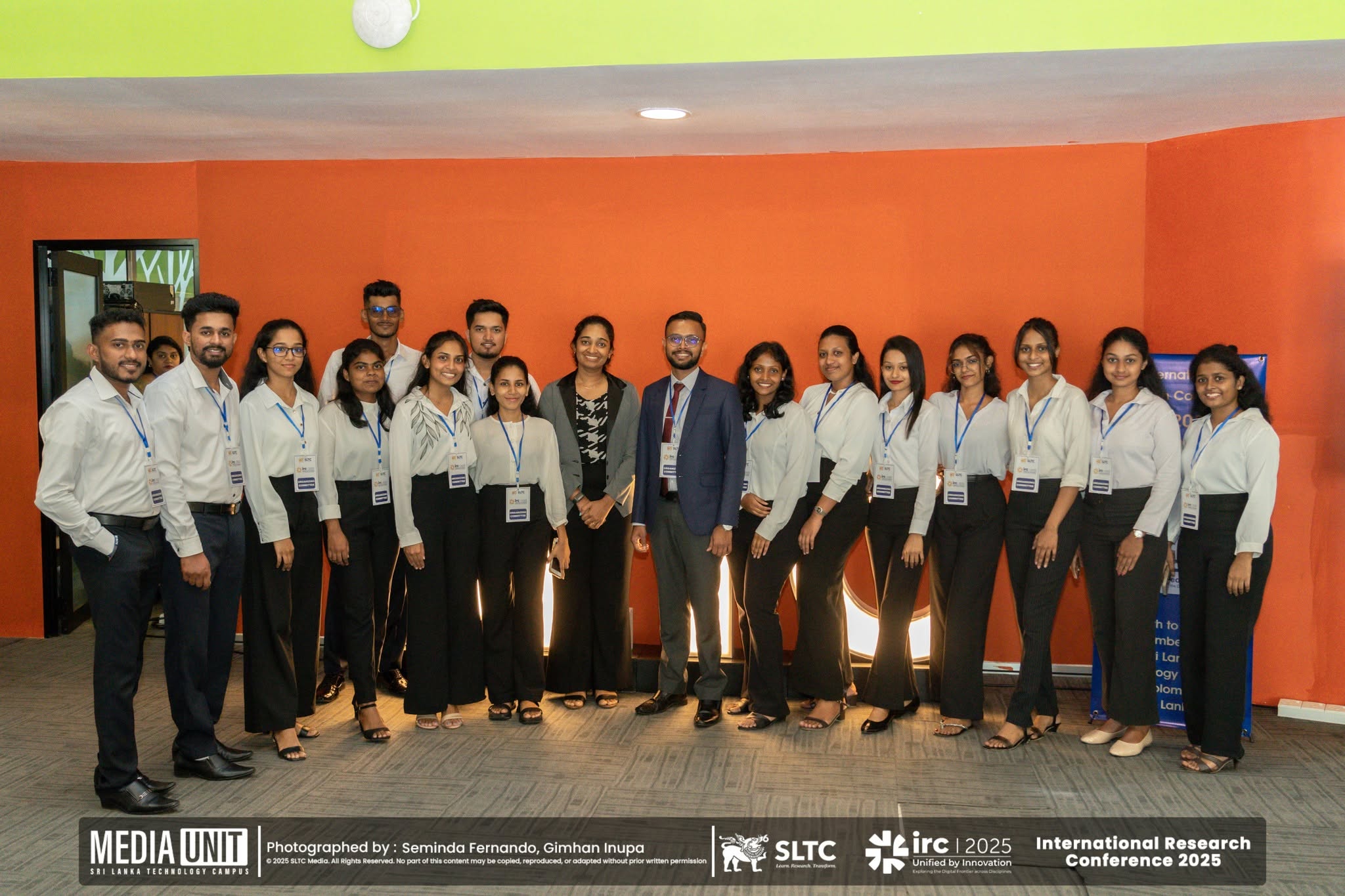
IRC 2025 took place on 12–13 November at SLTC Trace Expert City in Colombo and the Padukka Campus, under the theme "Unified by Innovation – Exploring the Digital Frontiers Across Disciplines." Organized by the Office of Research and Innovation Services under the Faculty of Postgraduate Studies and Research, the conference stood as SLTC's flagship research event for the year, built around interdisciplinary collaboration and digital innovation.
Twelve thematic areas structured the conference, ranging from engineering and biomedical systems to information and communication technology, artificial intelligence and robotics, fundamental sciences, sustainable agriculture, environment, food and bioprocess technology, social sciences, business strategy, and fashion and textile technologies. Prof. Thushari Silva of the University of Moratuwa opened the keynote sessions with "Responsible AI for a Digital Future: Innovation, Trust, and Human-Centered Intelligence," followed by Prof. Igor Balaban of the University of Zagreb, who spoke on "From Data to Intelligent Presence: Rethinking the Future of Digital Education."
Three pre-conference webinars extended the conference's reach ahead of the main event, featuring Prof. Yun-Song Lai of Sichuan Agricultural University, Dr. Pasindu Lugoda of University College London, and Prof. Filippo Biscarini of the Italian National Research Council. In all, 75 participants took part, contributing to SLTC's ongoing efforts to build research collaboration and a stronger innovation ecosystem.
Looking ahead, the sixth edition of IRC will be held on 18–19 November 2026 as a hybrid conference spanning SLTC Trace Expert City in Colombo and the Residential Campus in Meepe, Padukka. Under the theme "Advancing Intelligent Frontiers: Transforming Technology and Society," IRC 2026 will once again serve as SLTC's flagship research event, bringing together researchers, academics, industry professionals, and policymakers to exchange innovations and advance research aligned with the Sustainable Development Goals.
Ten thematic areas will anchor the conference: Electrical, Electronic and Communication Engineering; Mechanical, Mechatronics and Advanced Manufacturing; Computing, Artificial Intelligence and Data Science; Civil Engineering, Smart Infrastructure and Sustainable Development; Biomedical, Healthcare and Life Sciences Engineering; Business, Entrepreneurship and Digital Transformation; Sustainable Biosystems Technologies (Agriculture, Environment, Food and Bioprocess Technology); Core Sciences and Quantitative Analysis; Fashion, Textile and Clothing Technologies; and Social Sciences, Humanities, Education and Creative Industries.
Confirmed keynote speakers include Professor Ian Overton of IWMI-CGIAR Sri Lanka and the University of Adelaide, Dr. Chaminda Basnayake of Locata Corporation in the United States, and Professor Buddhi Marambe of the University of Peradeniya. The conference will also feature pre-conference webinars, workshops, panel discussions, and technical and poster presentation sessions, continuing SLTC's tradition of fostering national and international knowledge exchange.
Sourced from SLTC's "Summary of International Research Conference of SLTC" records, compiled by the Faculty of Postgraduate Studies and Research.
To establish internationally accredited postgraduate taught and research programs in emerging and traditional disciplines of engineering, business, science, and technology. FPSR aims to lead as a research - intensive higher educational institute striving for global recognition as a competitive, excellent, inclusive and innovative institution dedicated to advancing knowledge for the betterment of society.
Faculty operations are led by the Dean & the Faculty Board, working across five functional arms.
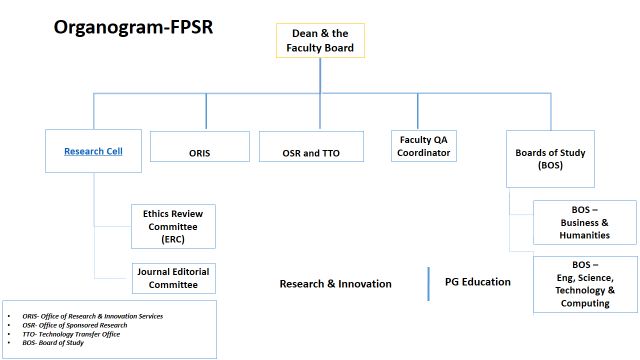
Research is the catalyst behind every research activity on campus that harness long-term goals of knowledge generation, problem-solving, innovation and capacity building.
Cultivate a dynamic research environment that encourages faculty members, researchers, and students to engage in high-quality research across diverse disciplines.
Facilitate interdisciplinary collaboration and knowledge exchange among researchers, promoting innovation and addressing complex societal challenges.
Provide resources, guidance, and support to researchers in securing funding, conducting research, and disseminating research findings.
Enhance the visibility, impact, and recognition of research through publication, dissemination, and translation into real-world applications.
Foster partnerships with industry, government agencies, non-profit organizations, and international institutions for mutual benefit and societal impact.
Ensure ethical conduct of research within the campus.
Ensure adherence to academic standards to promote the scholarly achievements of its researchers.
The Research Cell brings together dedicated research groups spanning Engineering, Science, Technology and Business, each maintaining its own page for People, Facilities, and Publications.
Established to ensure that research involving human participants is conducted ethically, responsibly, and independently — reviewing, approving, modifying, or disapproving research protocols in line with the guidelines of the Forum of Ethics Review Committees Sri Lanka (FERCSL).
Governed by the Research Cell, the Journal Editorial Board provides oversight and guidance for scholarly publications affiliated with the institute, ensuring academic rigor and adherence to scholarly standards.
ORIS serves as a vital link between the Faculty of Postgraduate Studies & Research and the broader research community within the university — playing a pivotal role in fostering a dynamic research ecosystem.
Acting as the strategic policymaker for research on campus.
Administrator for research assistants and research associates, ensuring effective management and support.
Promoting and encouraging student participation in innovation competitions, fostering creativity and entrepreneurial spirit.
Overseeing the efficient management and disbursement of research funds, ensuring financial transparency and accountability.
Organizing and coordinating webinars, colloquiums, International Research Conferences and exhibitions for intellectual exchange.
This team coordinates and enhances the overall research environment on campus by developing and implementing initiatives that drive research excellence.
Facilitates and manages externally funded research projects, providing comprehensive support to ensure success and compliance.
Drives the commercialization of research outputs and the management of intellectual property (IP) rights.
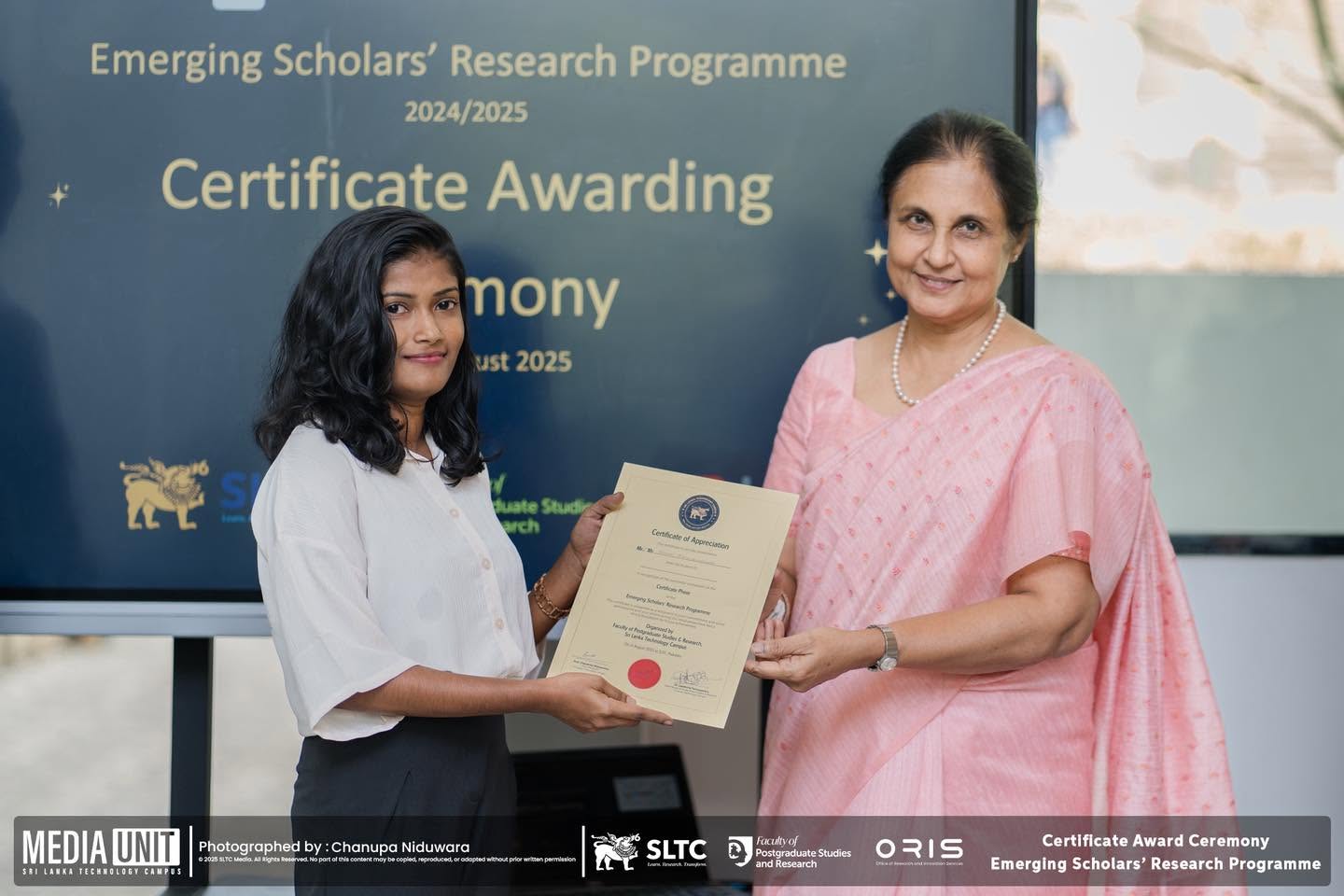
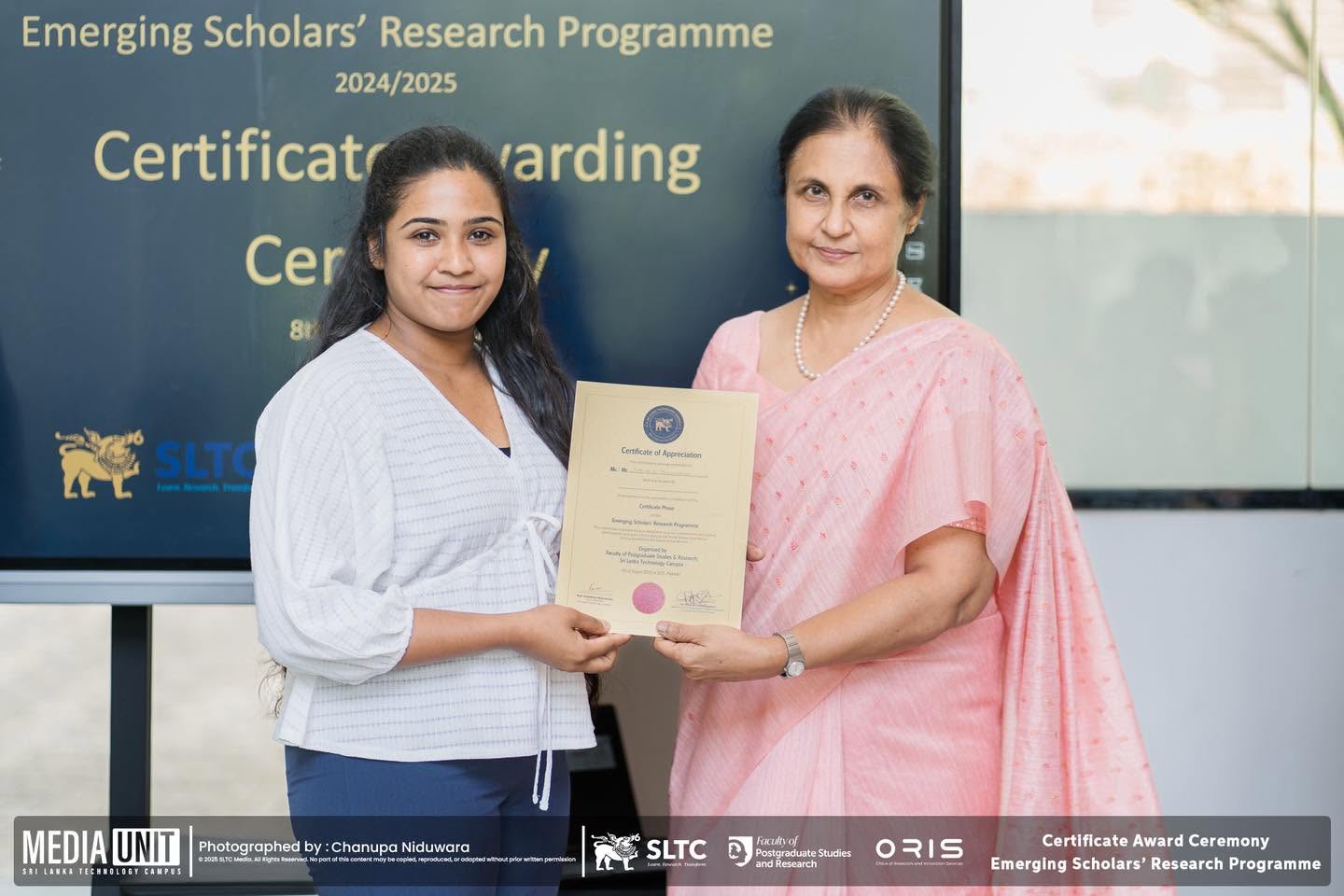
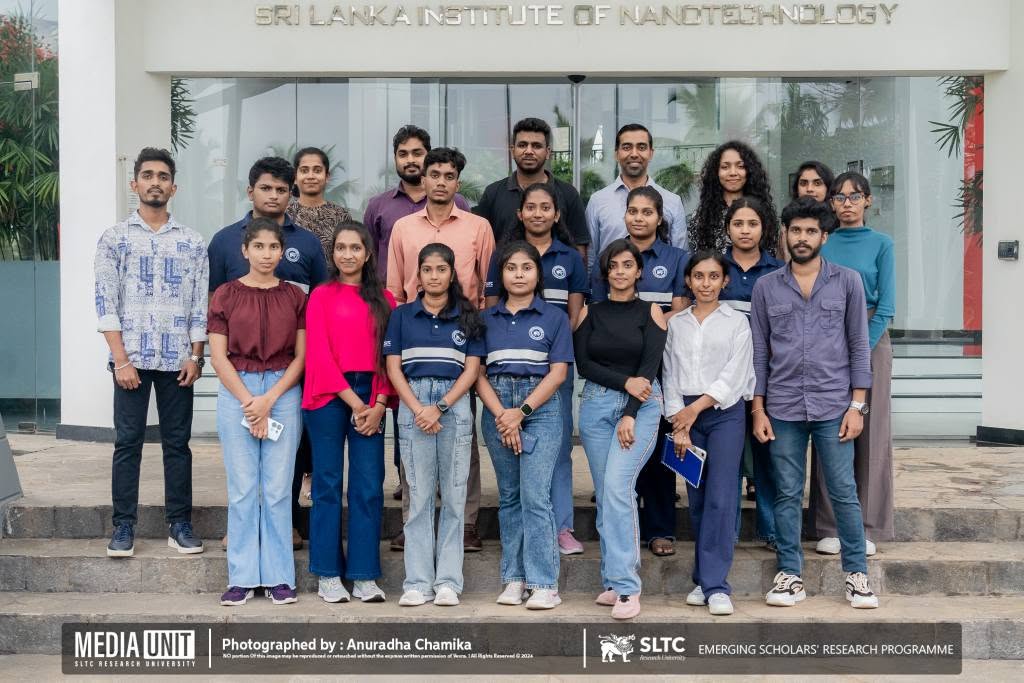
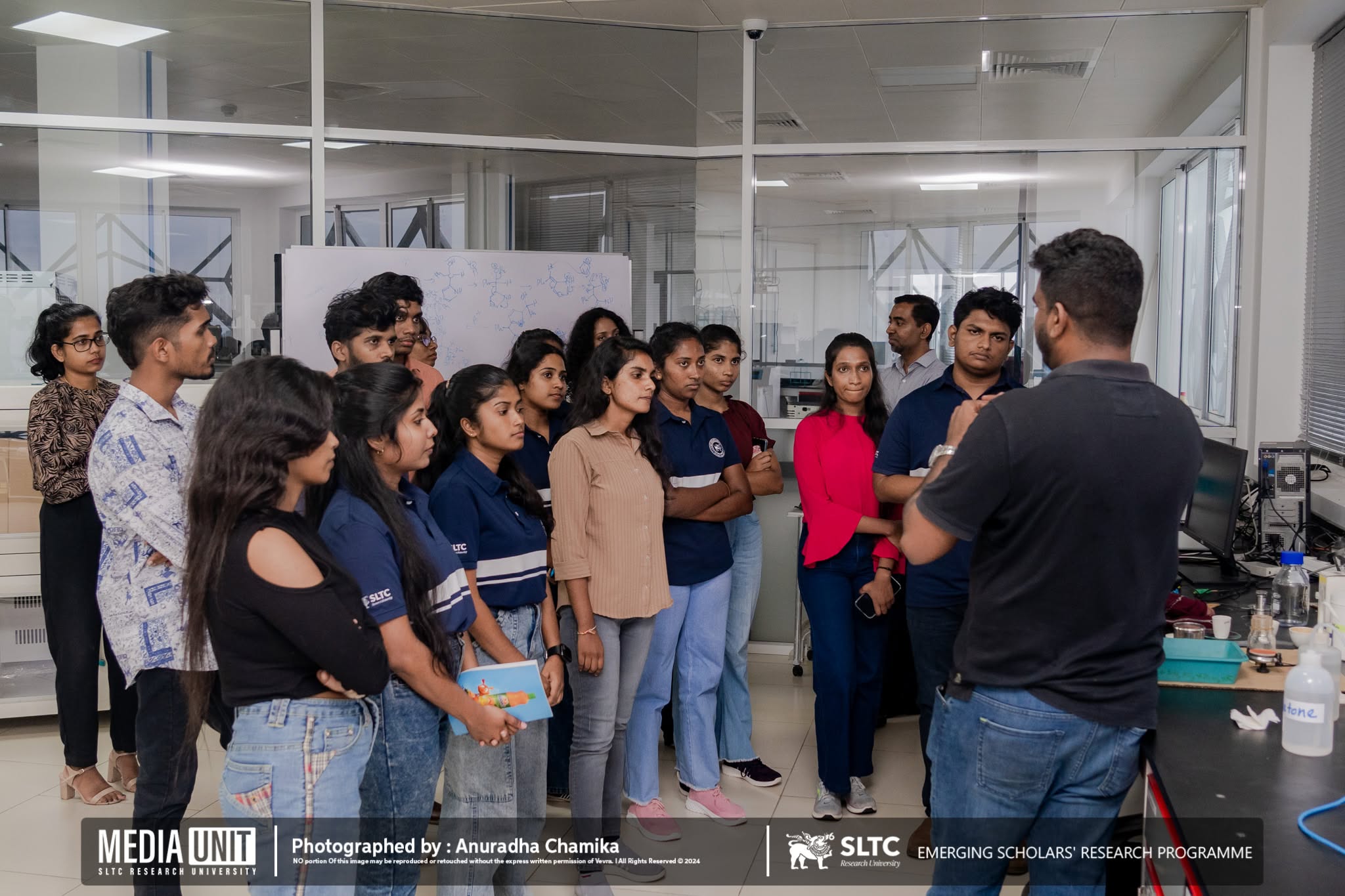
A first-of-its-kind opportunity in Sri Lanka's tertiary education sector, aimed at exceptional undergraduate students and teaching assistants with a strong passion for research & innovation.
Selected students gain a foundational understanding of research concepts during their second year, over a training period of approximately three months delivered by national and international experts. Successful candidates then move into a long-term, two-year research opportunity within a research group in the Research Cell.
Taught Research ConceptsWe are committed to fostering a thriving research environment by helping researchers overcome financial barriers and advance their work.
Early-stage funding to help researchers get new projects off the ground.
Support toward the cost of publishing in recognized academic journals.
Assistance covering registration costs for academic conferences.
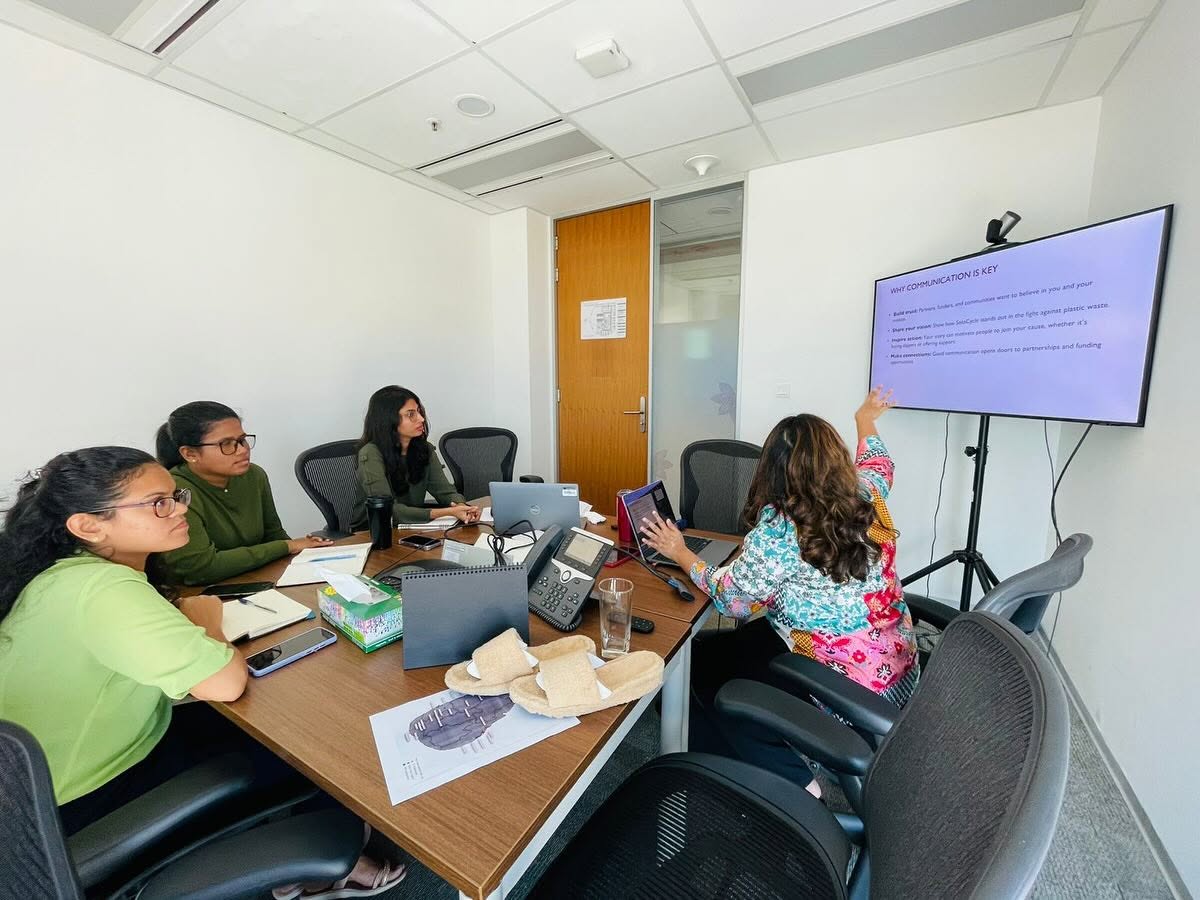
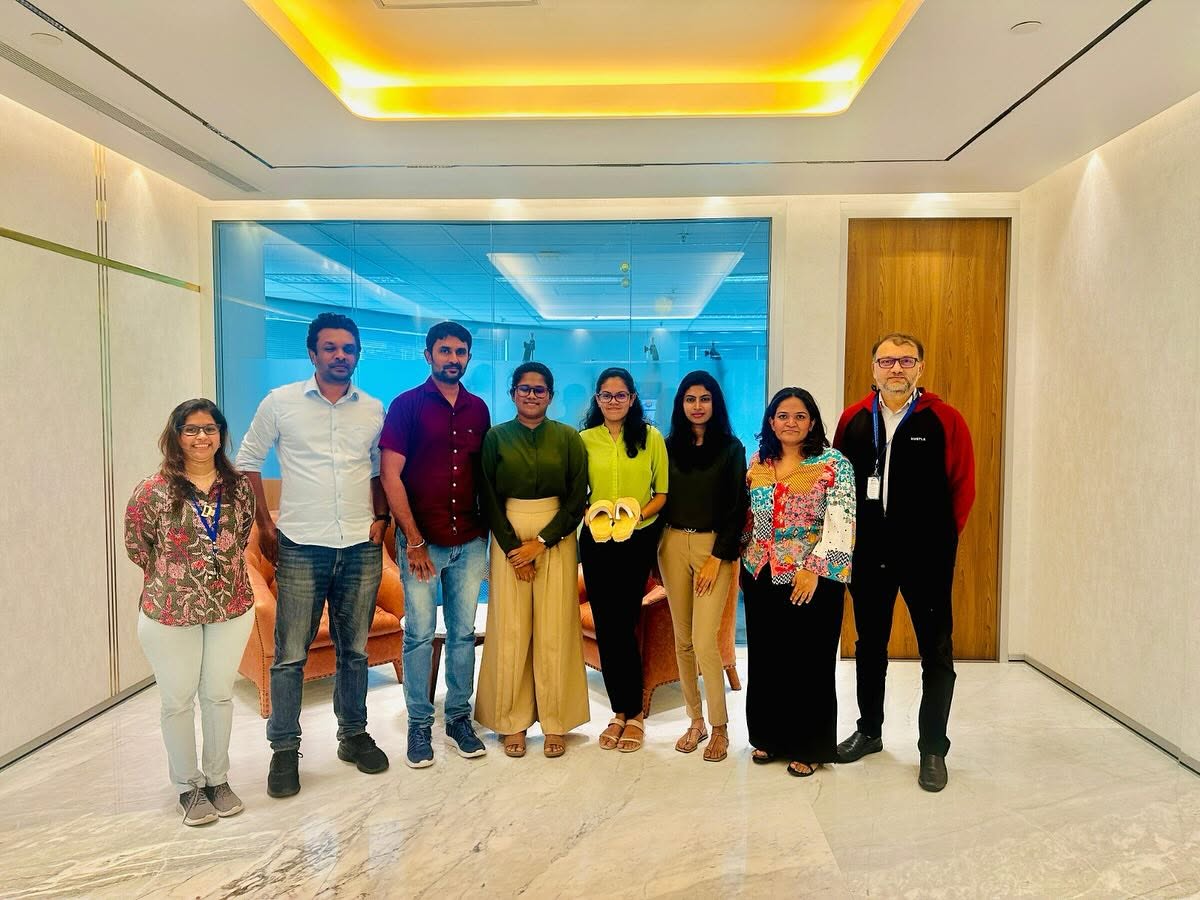
A landmark MoU signed with the United States Agency for International Development (USAID), setting the stage for sustainability initiatives centred on reducing plastic waste, offering technical consultancy, and supporting SMEs in commercializing sustainable solutions.
Three key projects targeting plastic reduction through recycling and product development.
Assisting businesses in integrating sustainable practices and improving efficiency.
Helping startups and SMEs bring sustainable products to market effectively.
Enabling small businesses to adopt green technologies and scale eco-friendly solutions.
A revolutionary approach to upcycling waste materials into valuable products, built around three major innovations.
Stylish, durable shoes made from recycled materials using advanced material processing — reducing landfill waste and promoting circular economy principles in footwear.
High-quality 3D printer filaments derived from recycled plastic, offering an eco-friendly alternative to conventional plastic-based filaments.
Natural dyes created from waste paste for textiles and other applications that provide a safer, non-toxic alternative to chemical dyes.
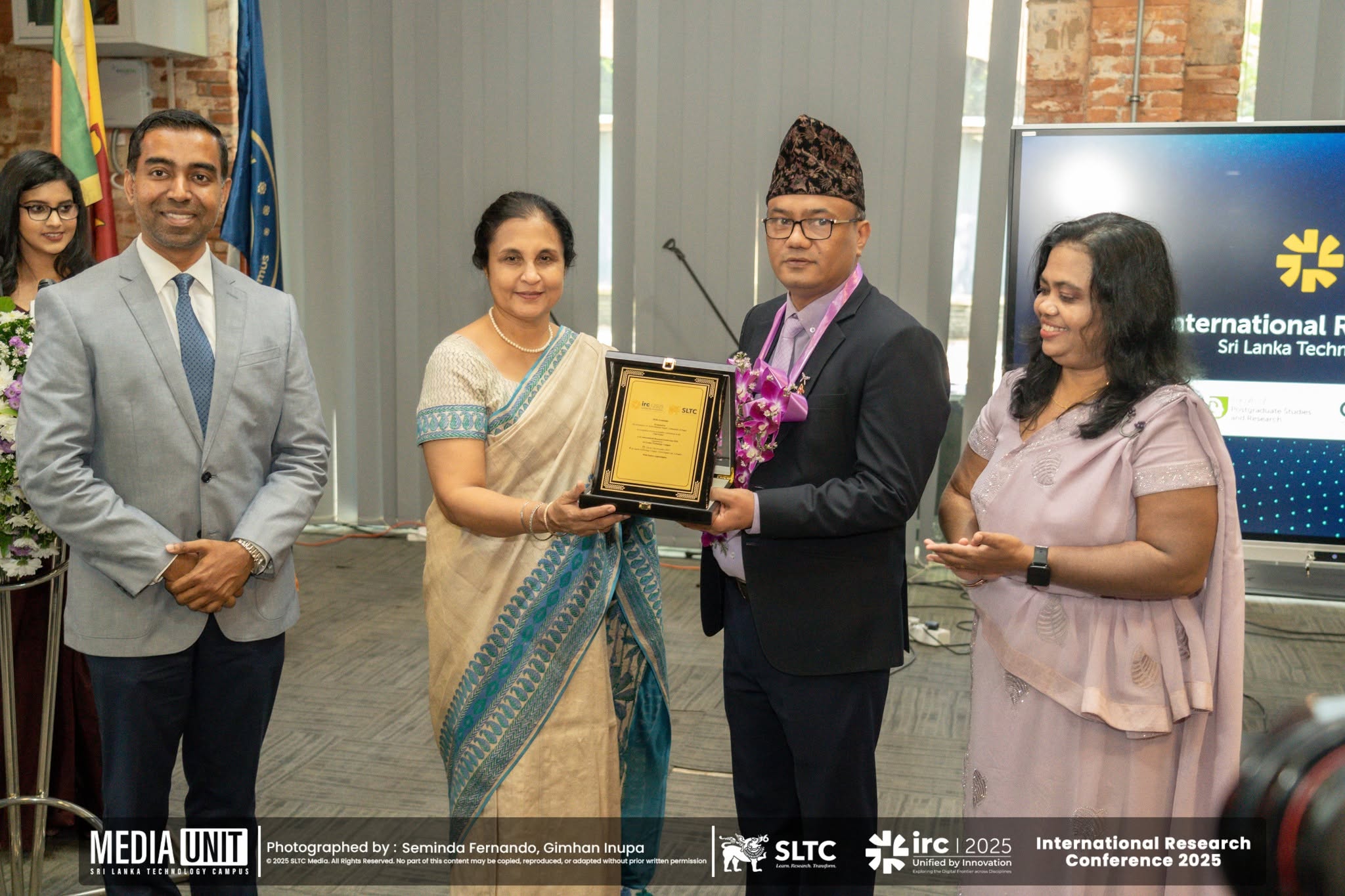
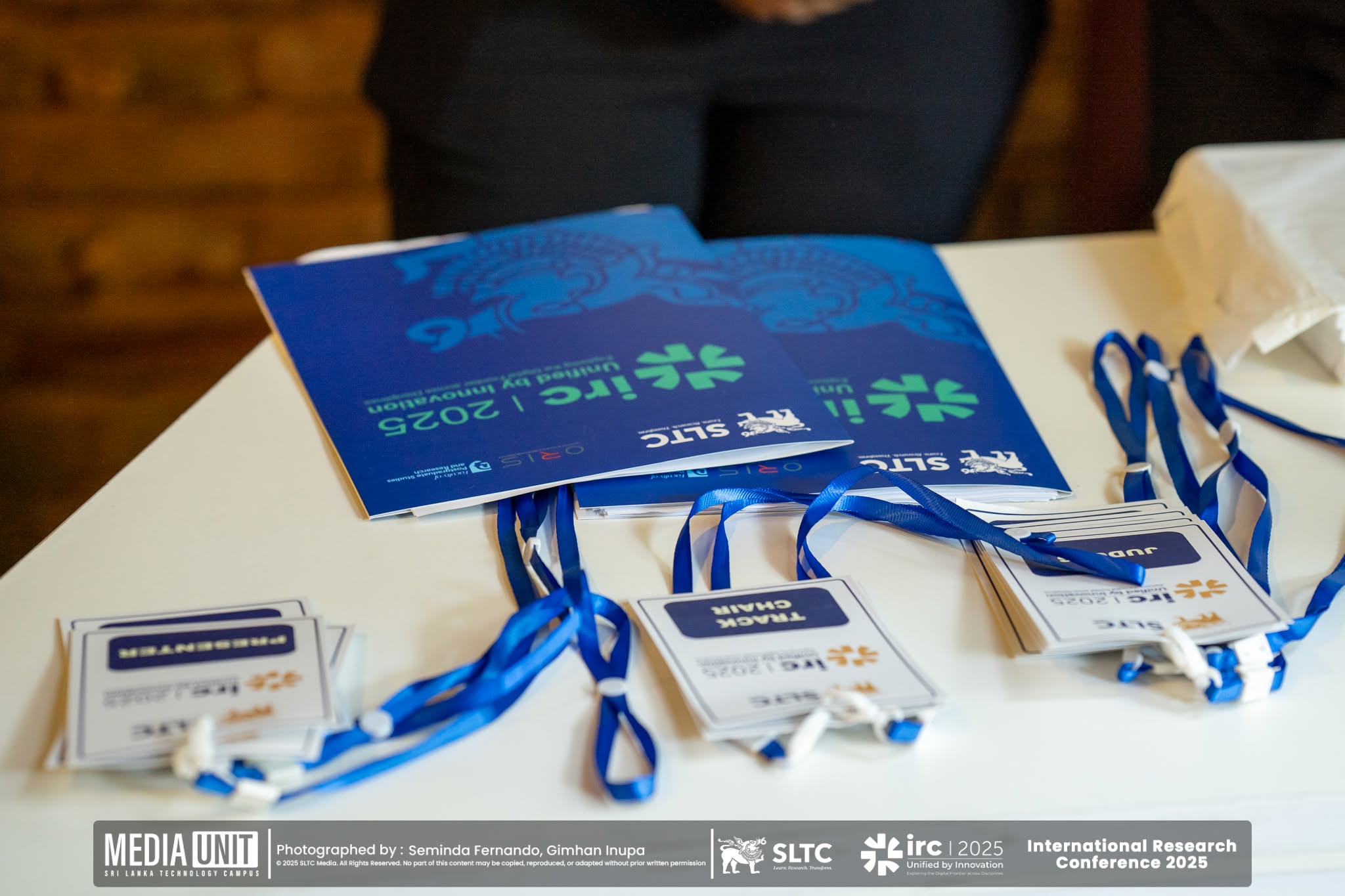
Facilitated by the Office of Research & Innovation Services, the IRC provides a platform for researchers to disseminate findings, creativity, and innovation, building partnerships that advance scientific research for students, scientists, industrialists and government and non-government officials, in support of the Sustainable Development Goals within and outside Sri Lanka.
Explore ongoing and completed research initiatives.
Visit pageAccess research ethics policies and compliance resources.
Visit pageDiscover funding opportunities and supported research grants.
Visit pageConnect research activities with industry partnerships.
Visit pageSupport innovation, commercialization, and startup ventures.
Visit pageAccess archived research materials and institutional records.
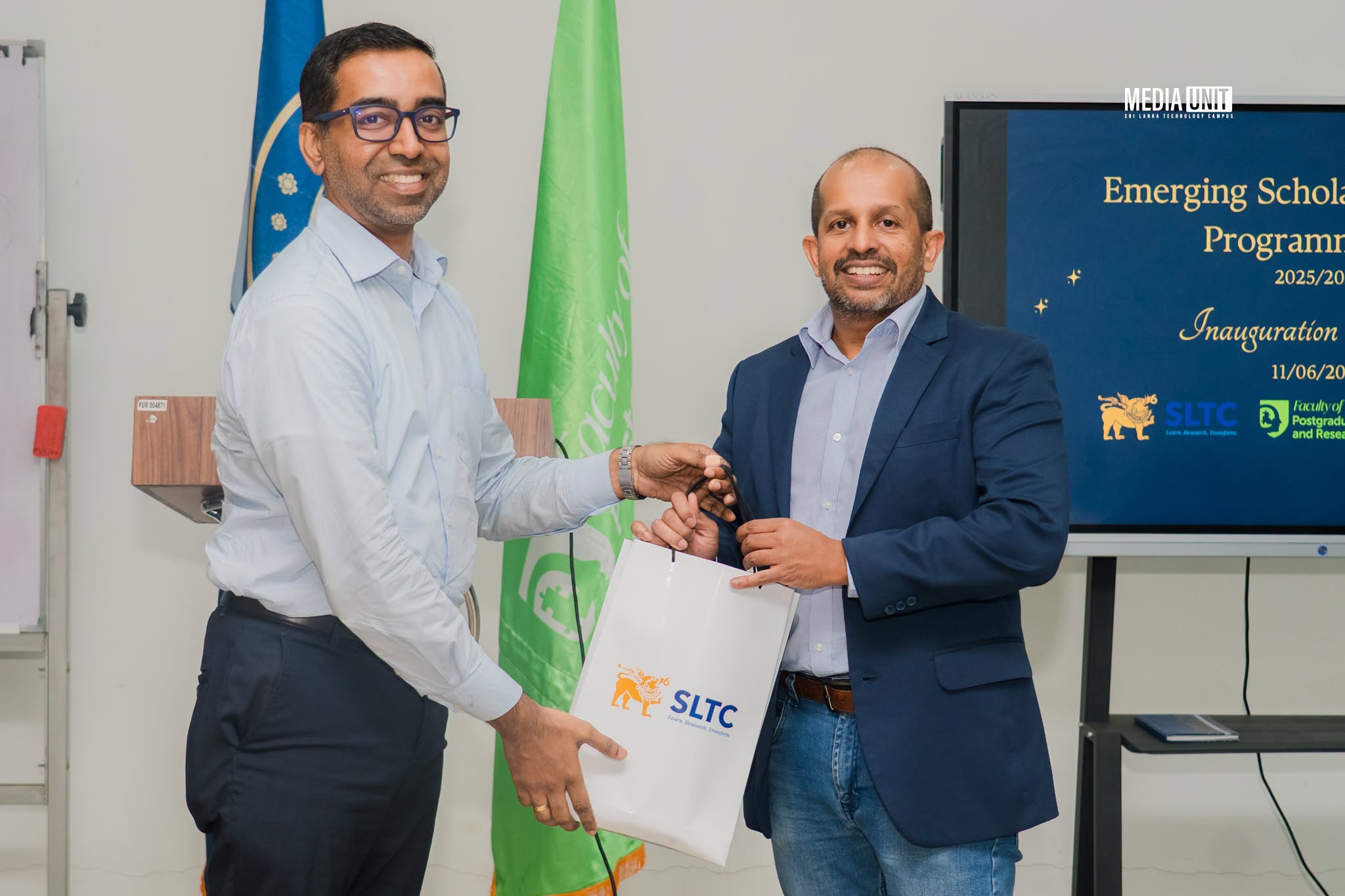
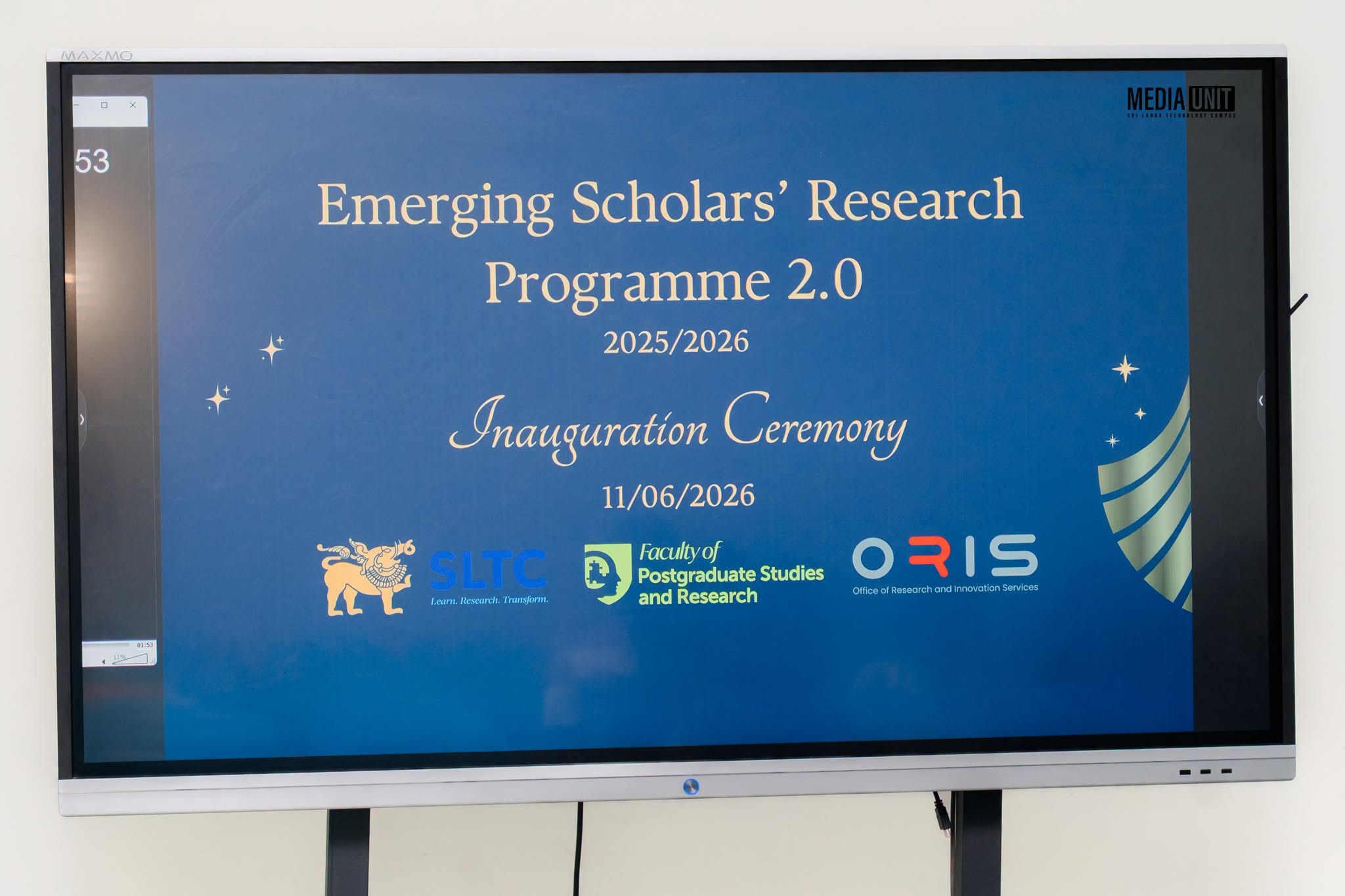
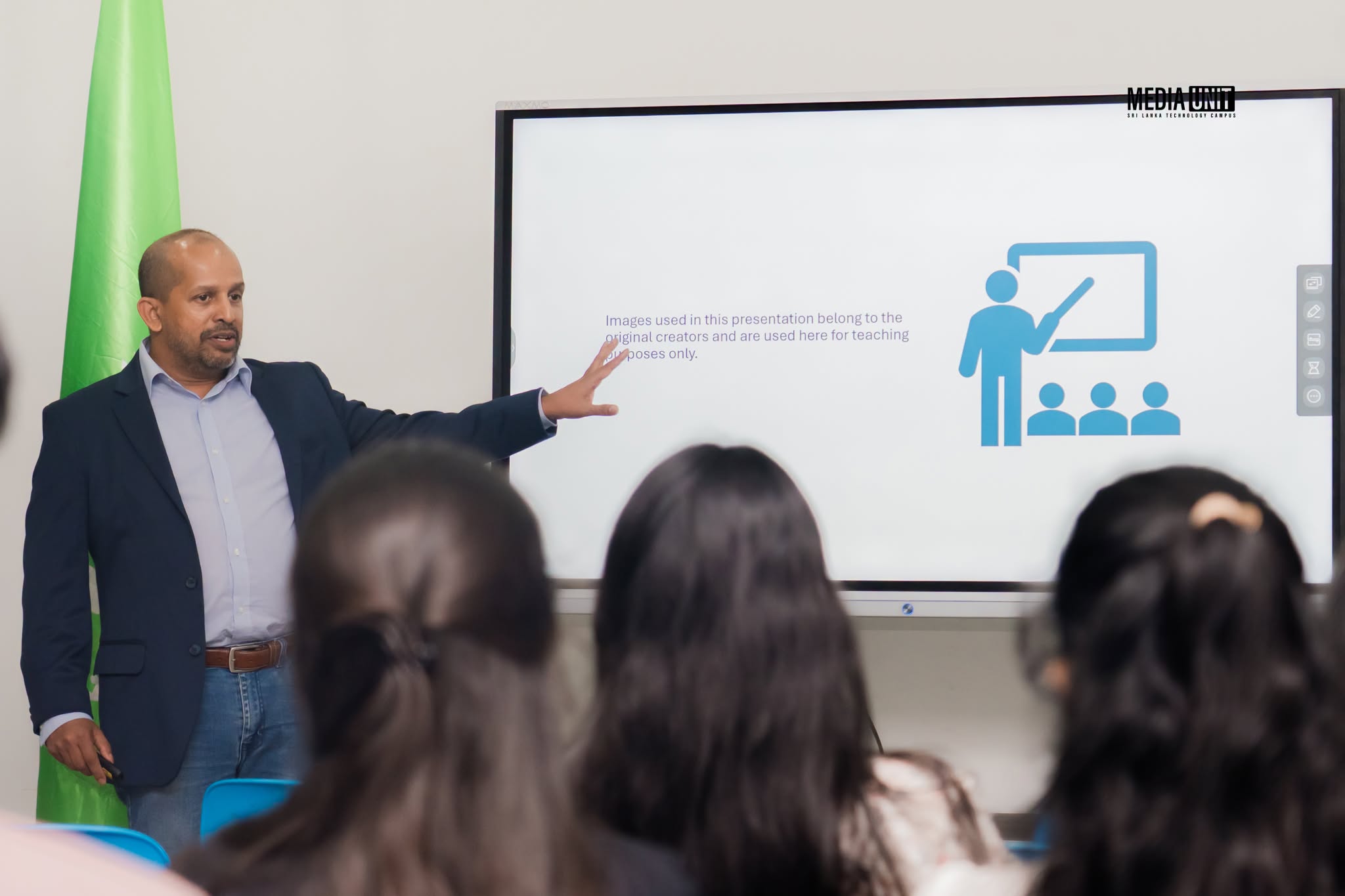
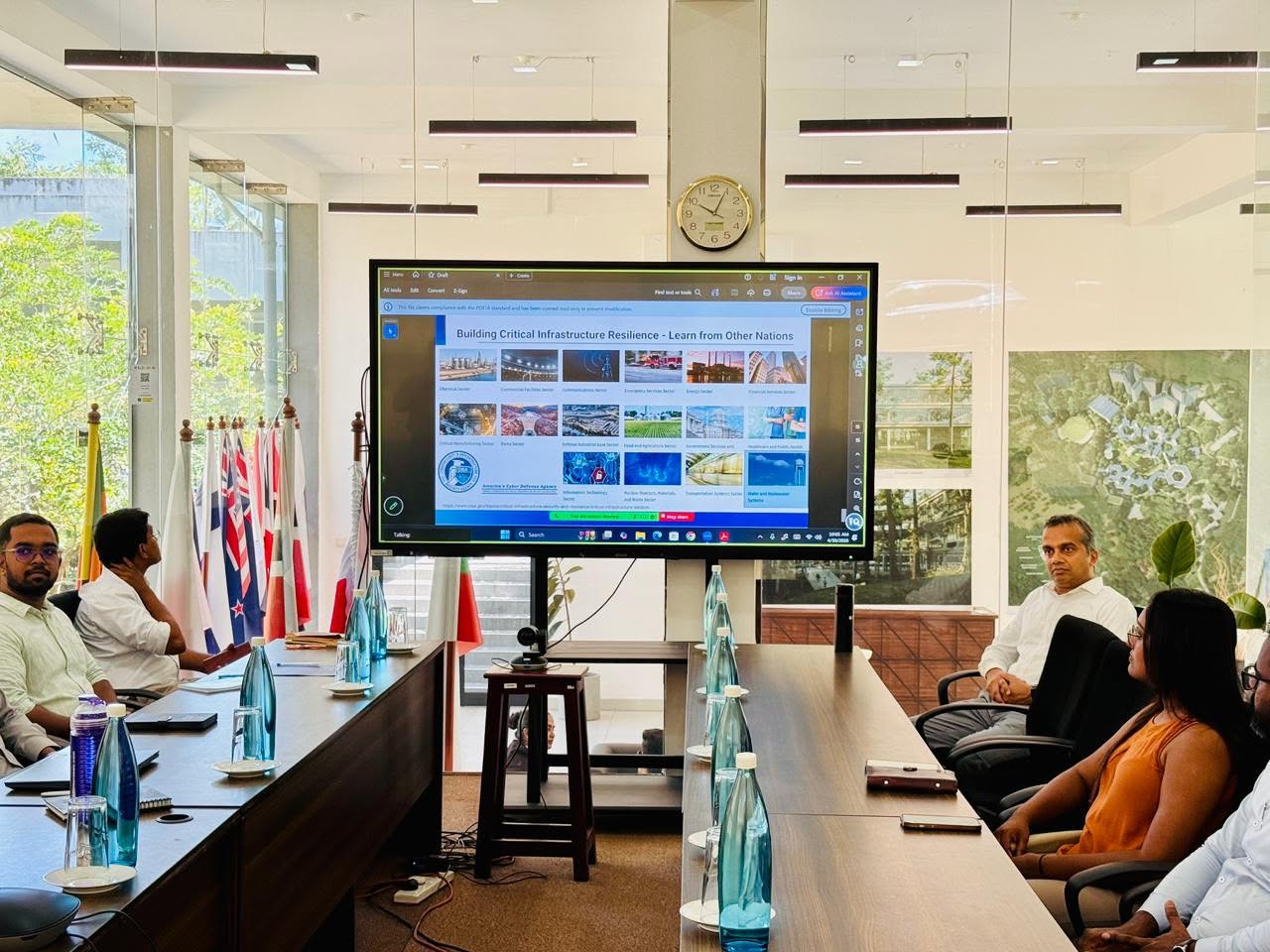
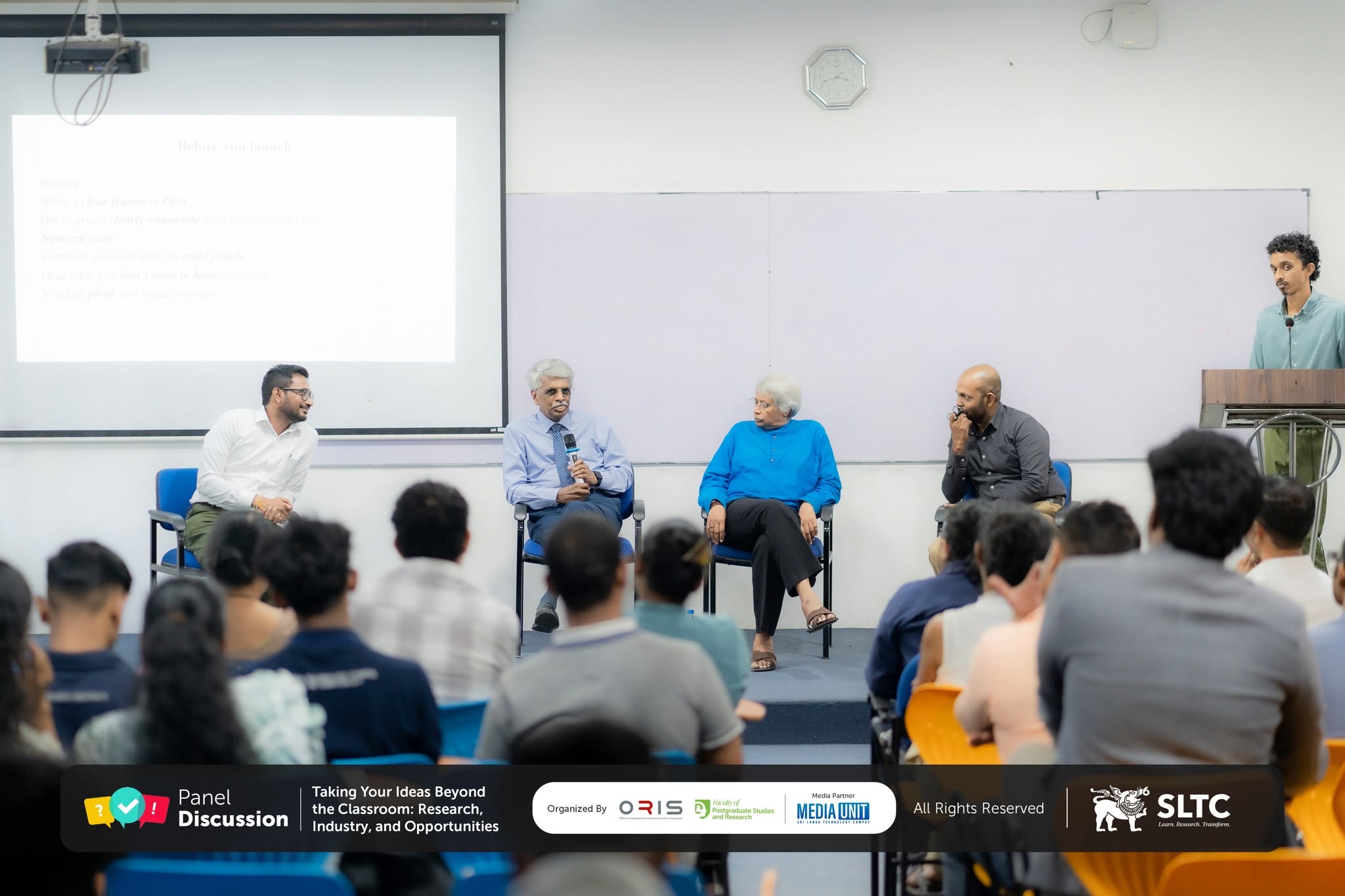
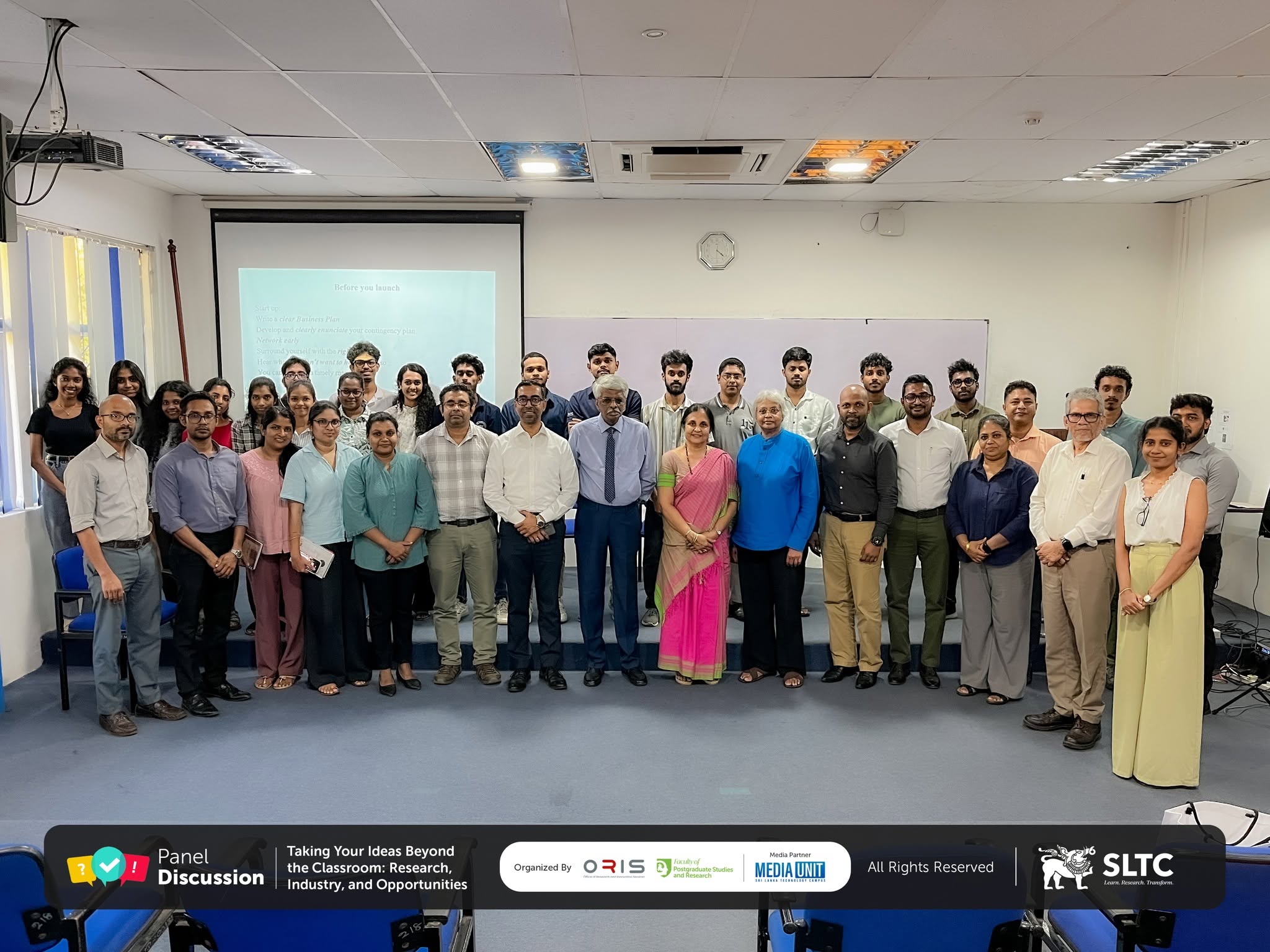
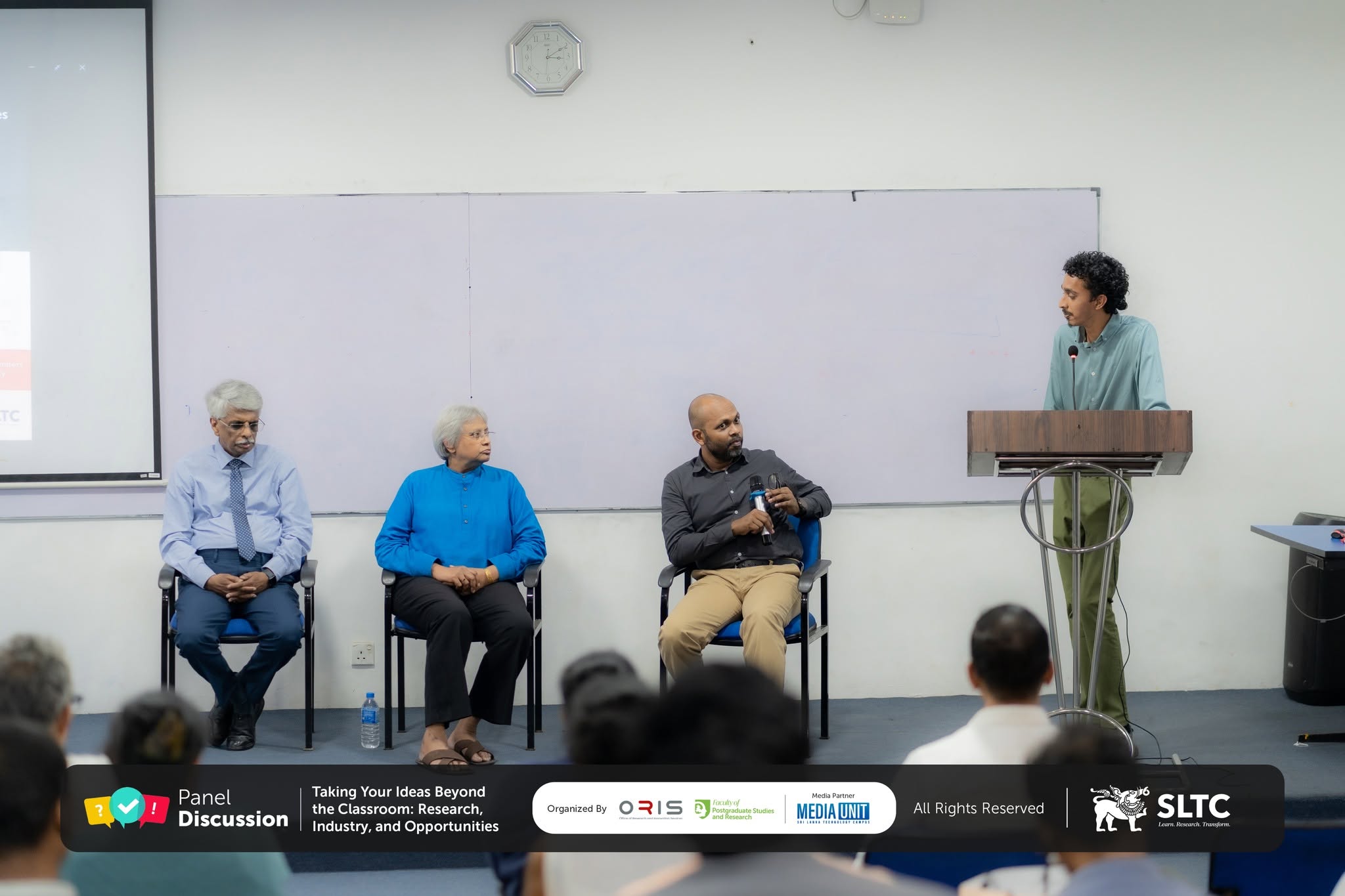
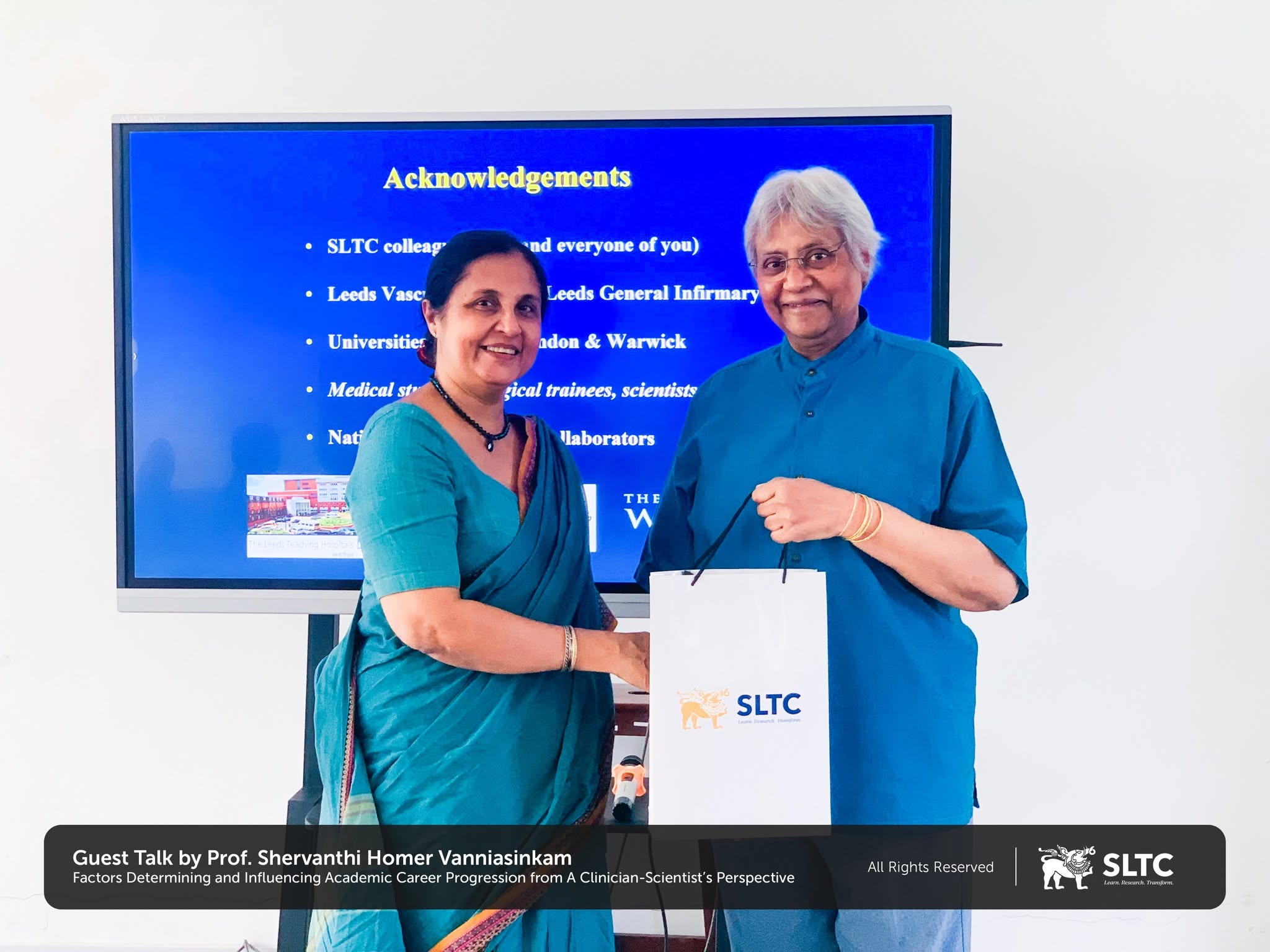
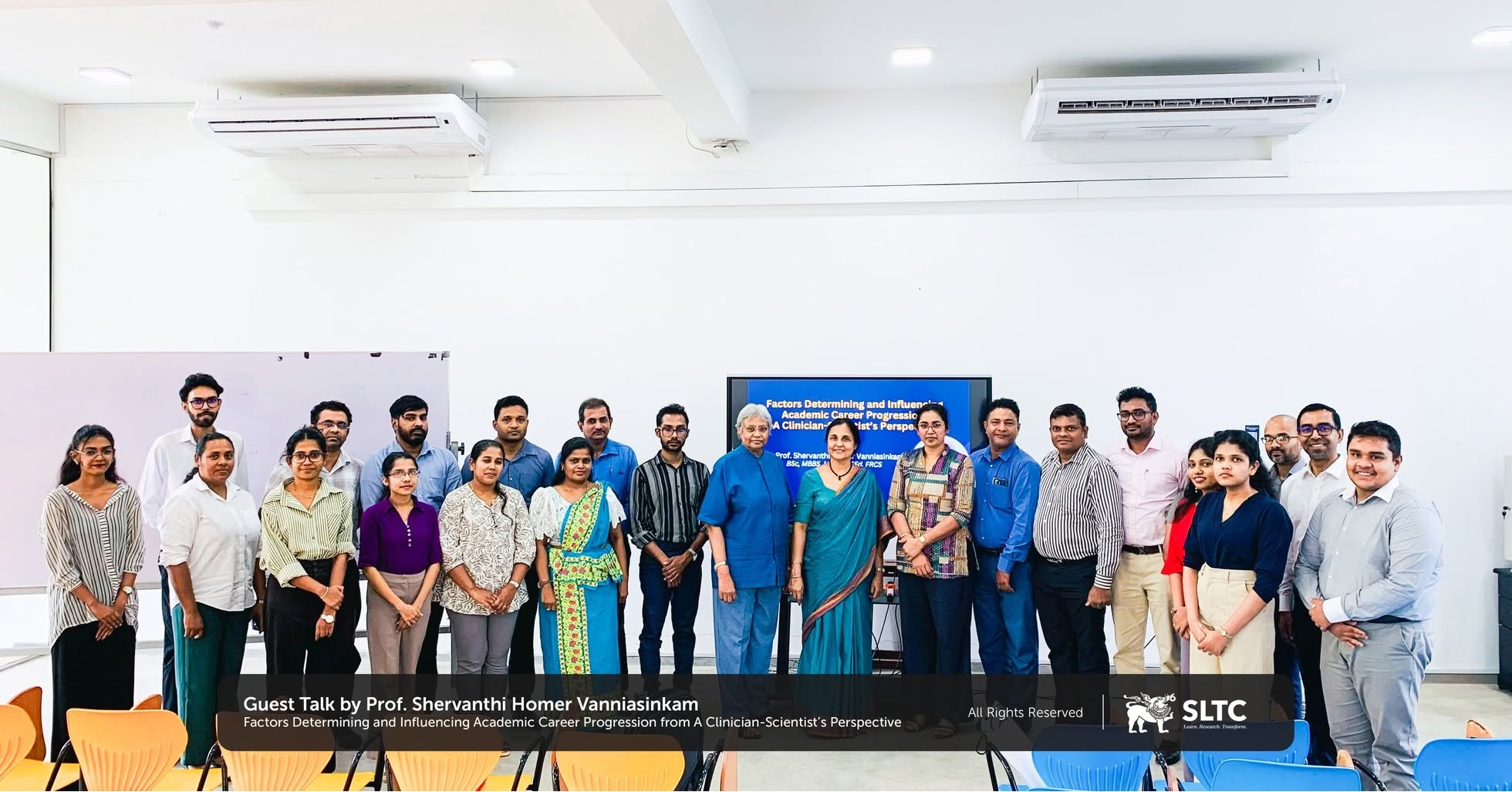
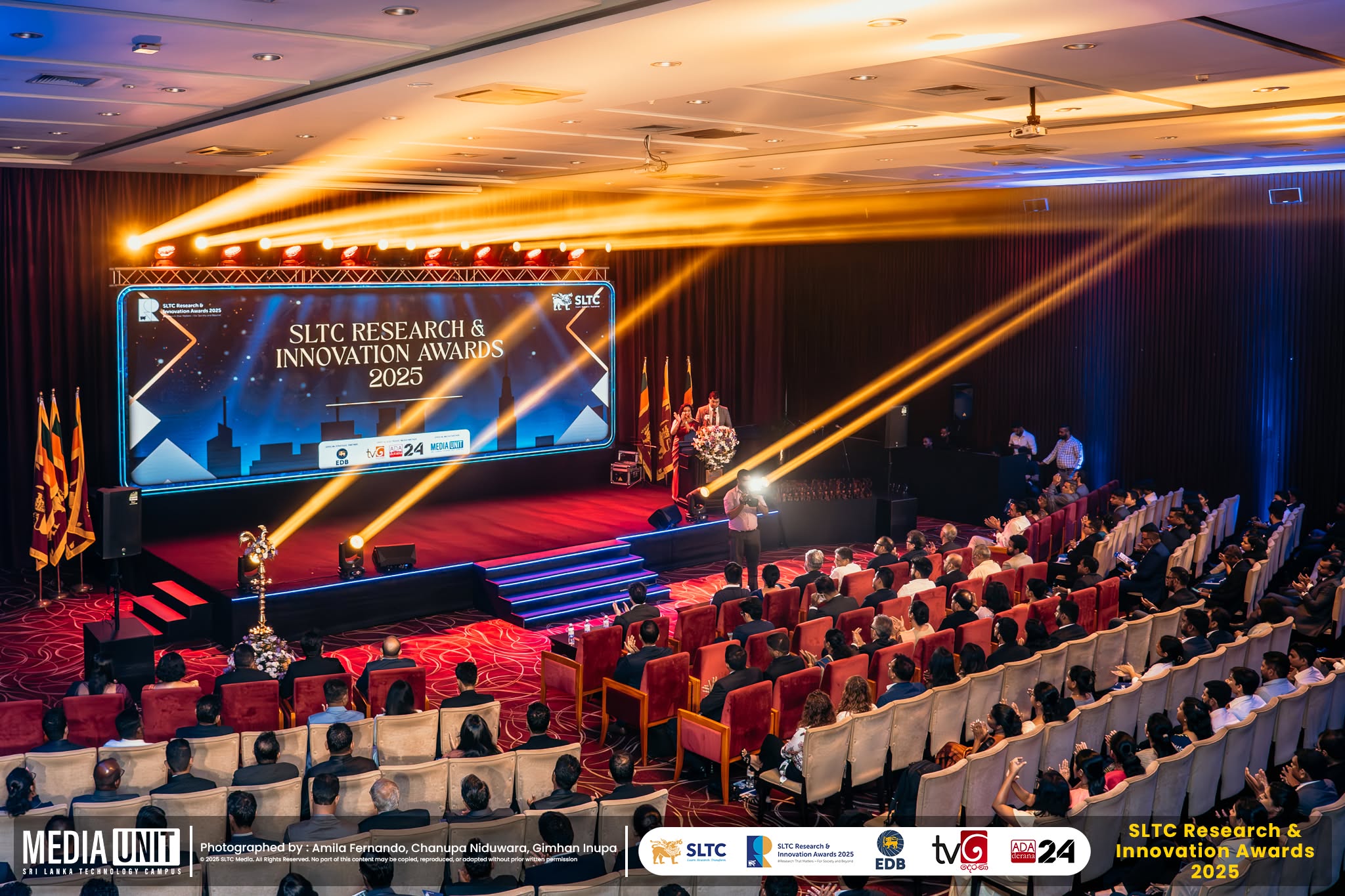
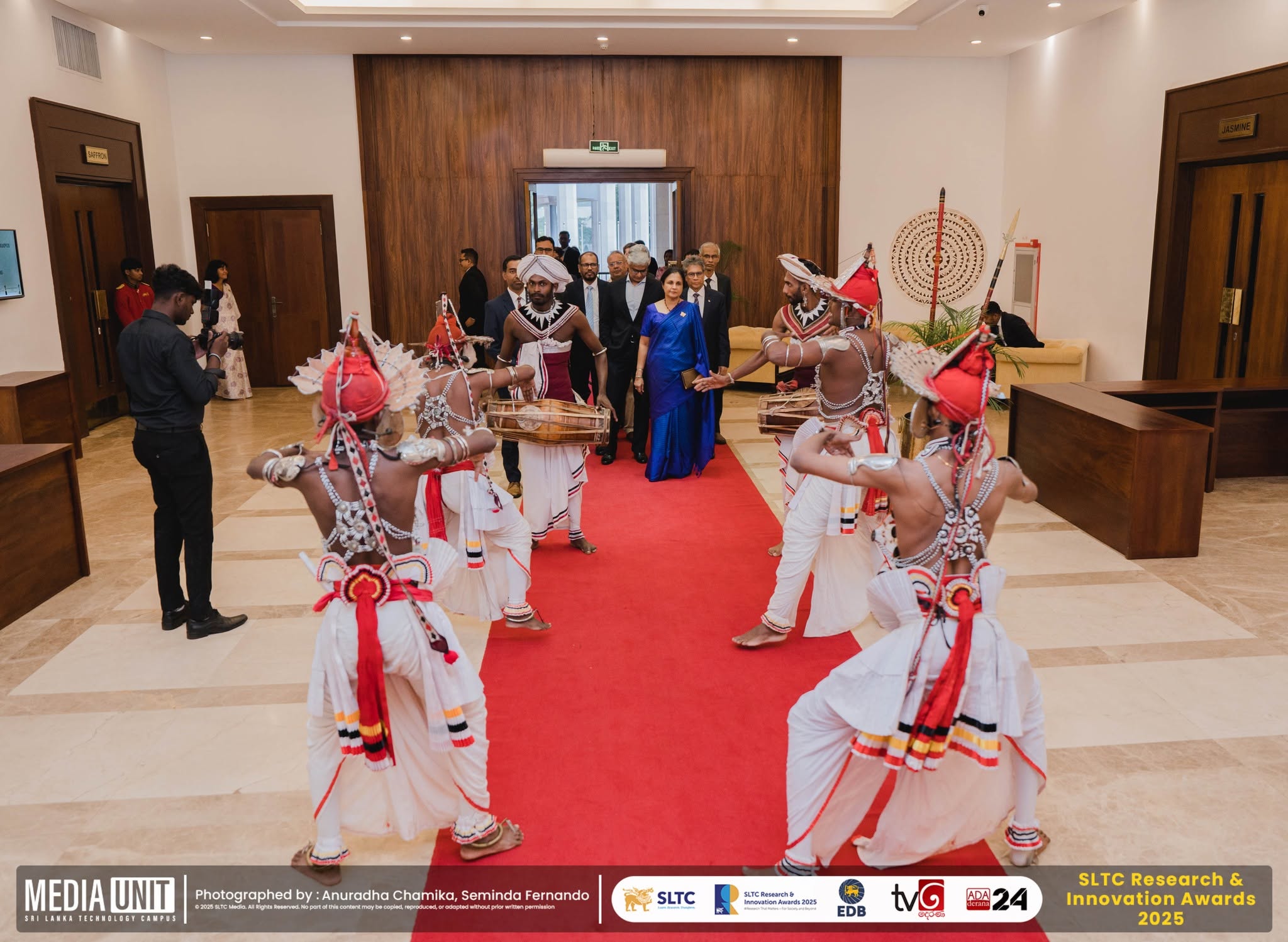
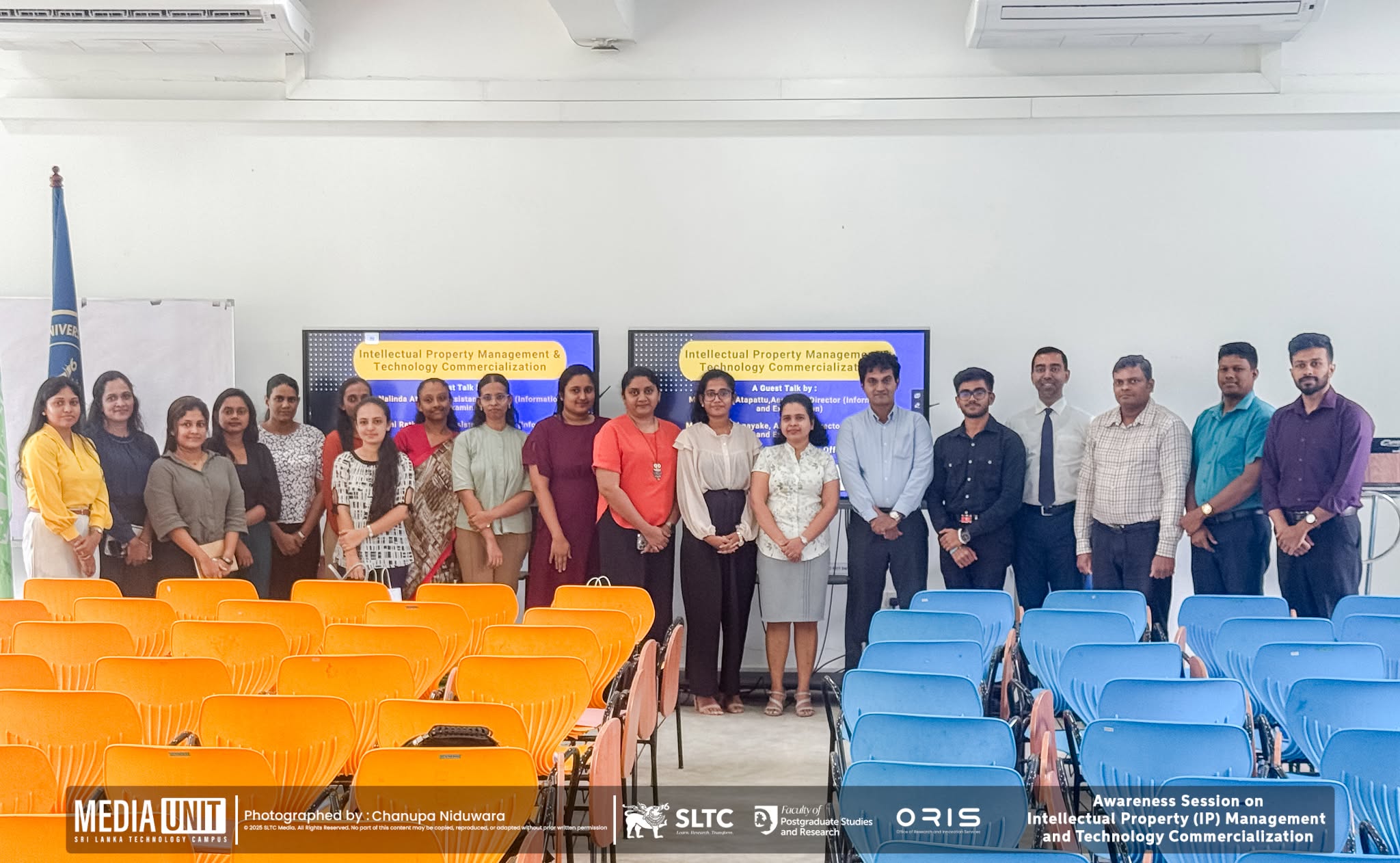
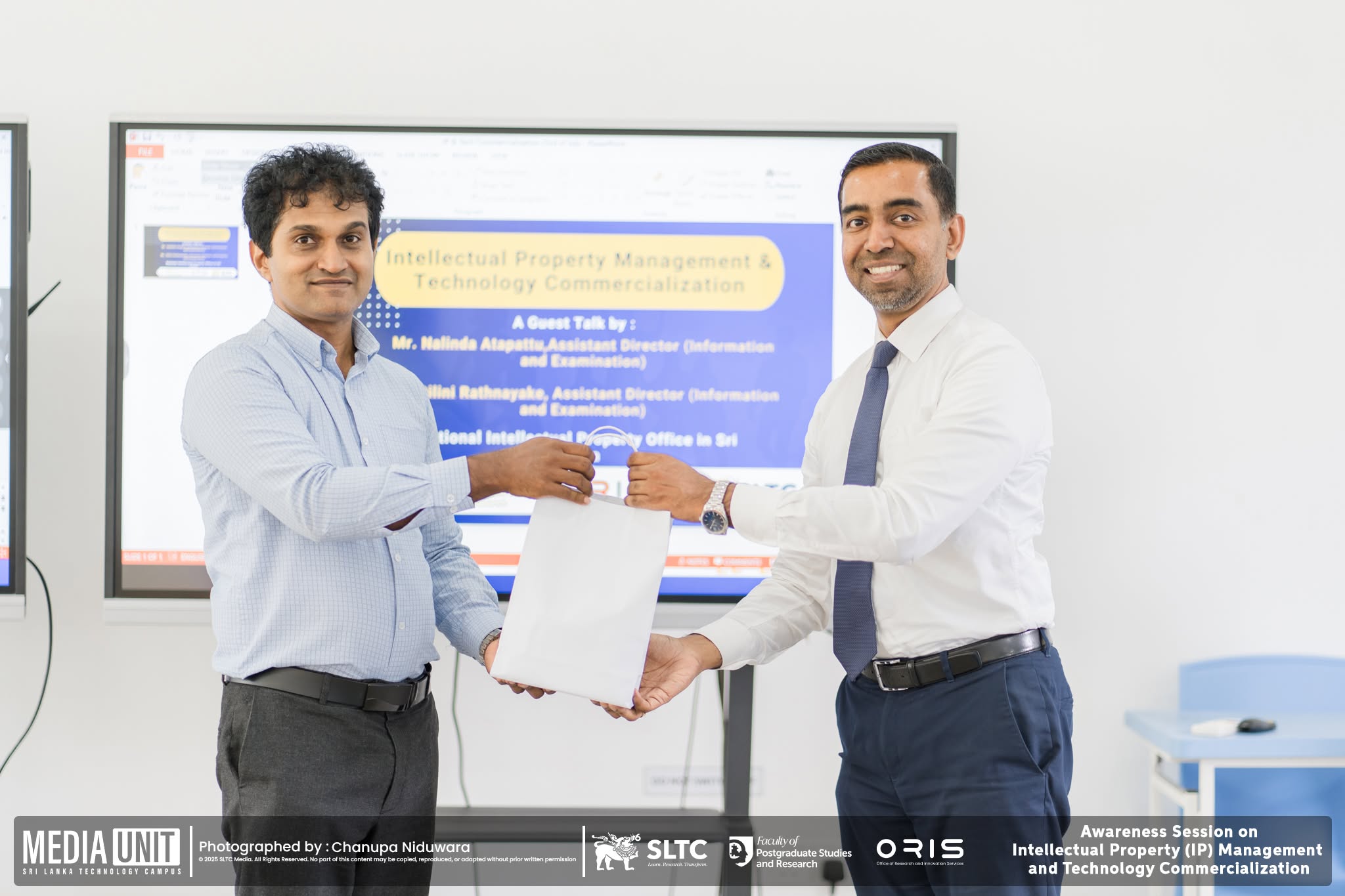
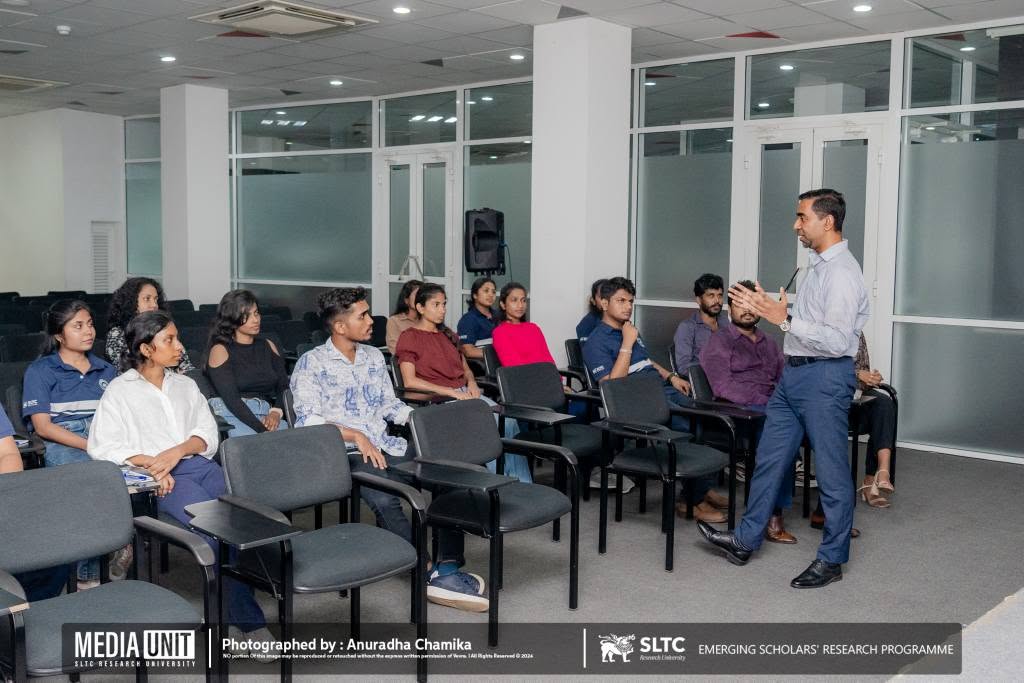
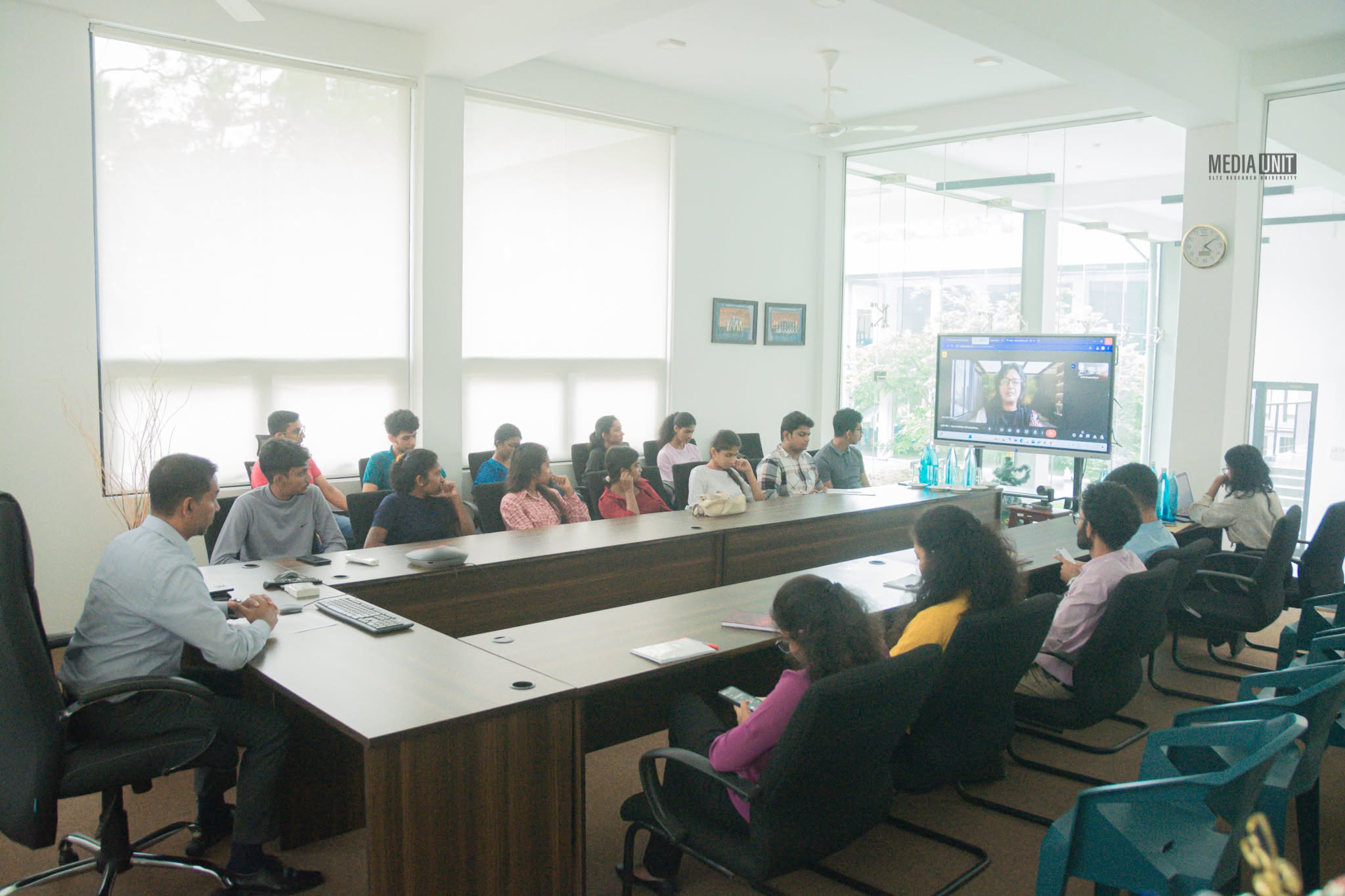
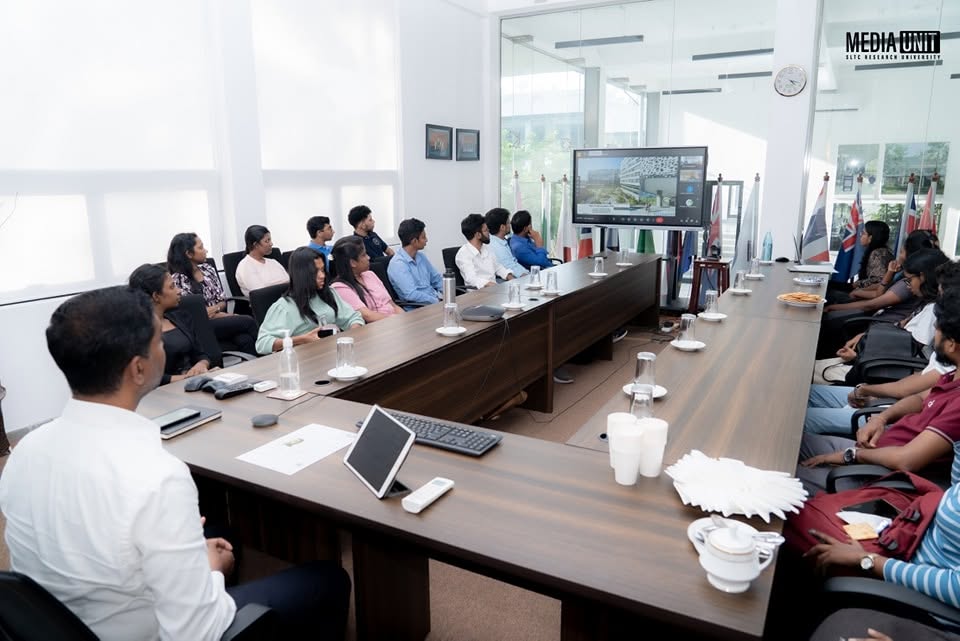
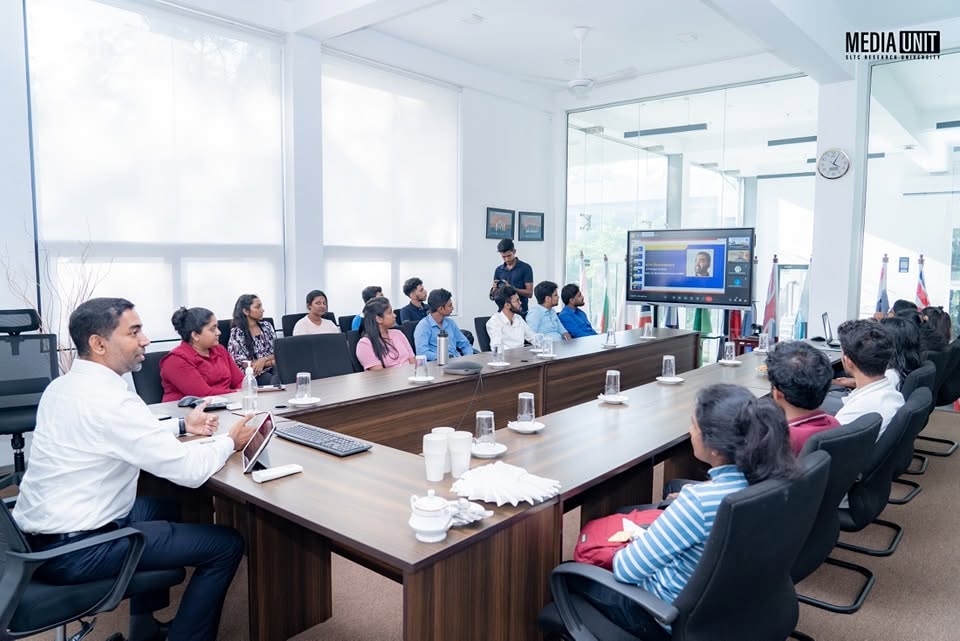
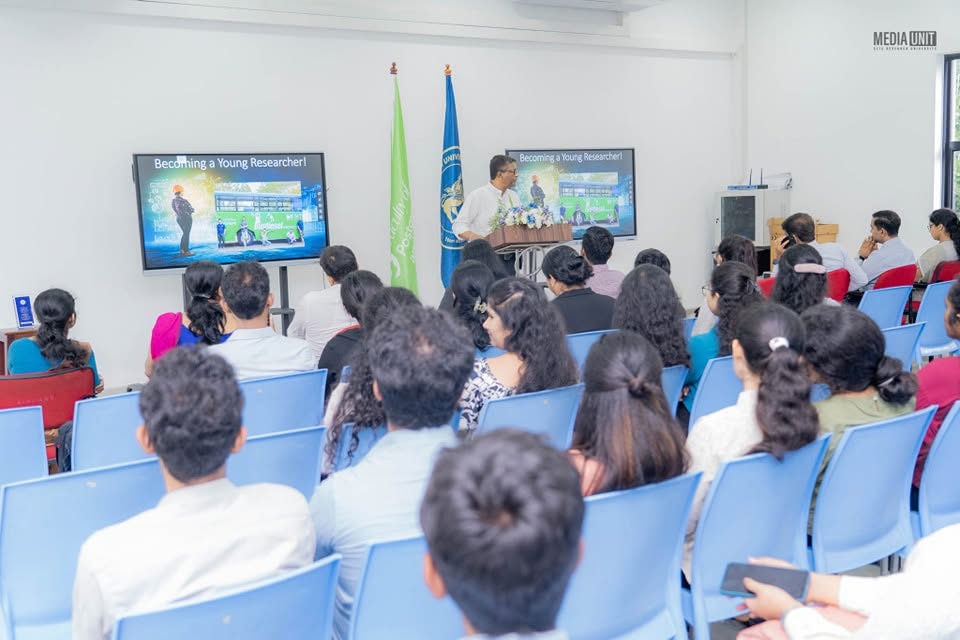
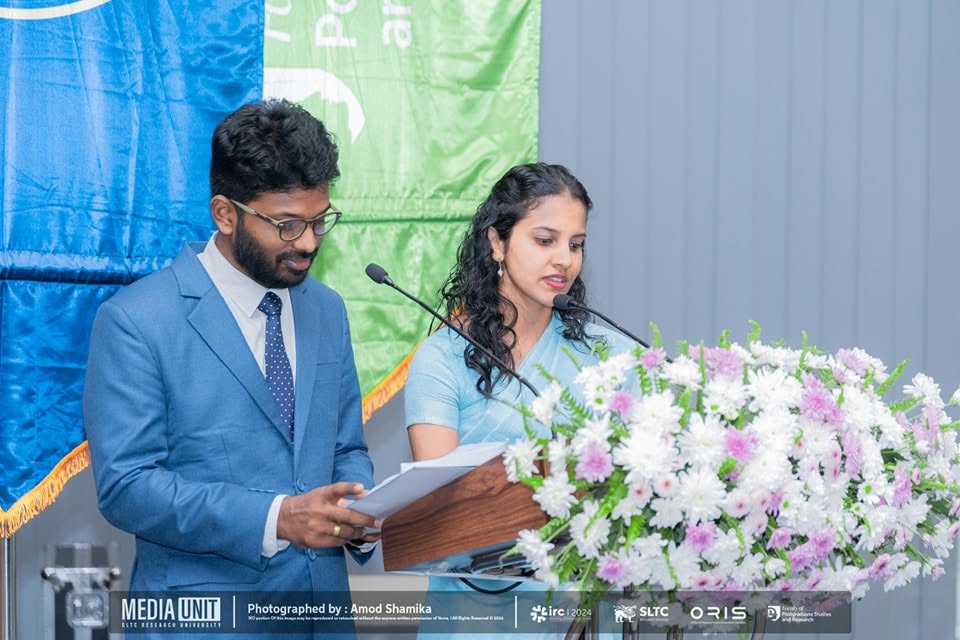
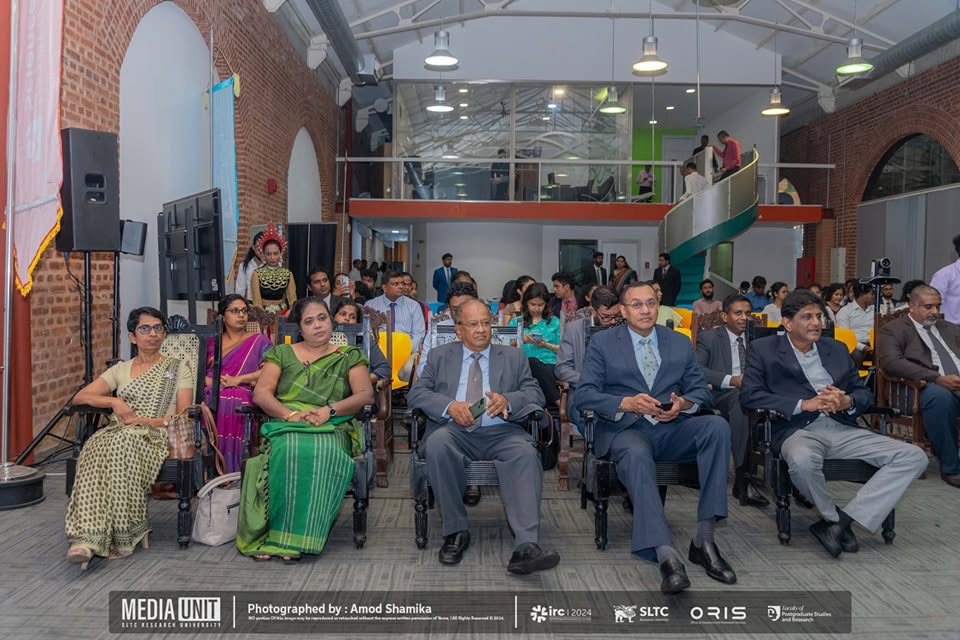
Visit pageCeremonies, guest talks, conferences, and milestones from our postgraduate research community.
3
 3
3
 3
3
 2
2
 4
4
 5
5
 4
4
 2
2
 4
4
 2
2
 2
2
 2
2
Reach out to the Faculty of Postgraduate Studies & Research to learn more about postgraduate programmes, research opportunities and industry partnerships.
